Buying a Dog in Switzerland: Breeders, Shelters & Costs
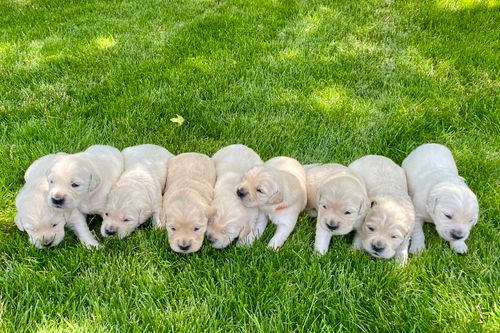
A dog moves in not for a few weeks but for ten to fifteen years. That is a lovely thought – and a good reason to take your time. Most mistakes happen on impulse: the cute photo online, the puppy behind the glass, the pity for the dog that supposedly has to go right now. A dog is not an impulse decision, nor a rescue project for a single afternoon. If you want to be at its side for a whole dog's life, it is better to plan with your head than with your heart alone.
This guide walks you through the questions that really matter before buying or adopting: Does a dog even fit your life? Where should it come from – a breeder, a shelter or abroad? How do you recognise a reputable source? What does the whole thing really cost, and what duties will you face in Switzerland?
Does a dog even suit me?
Before it is about the breed, it is about you. A dog needs time every day – for walks in all weather, for training, for play and simply for being there. It costs money, year after year. It does not want to sit home alone for twelve hours at a stretch. Ask yourself the honest questions: What will my everyday life look like in two, five, ten years? Who takes the dog when I am ill or away? And if you rent: does your tenancy agreement even allow a dog? Better to clear that up beforehand than afterwards.
Only then is it worth asking about the right dog. A young Border Collie and a person with a calm, easy-going daily routine are rarely a good match, however charming the dog may be. Take your time and browse our breed wiki, where you will find every breed and what it needs. If you do not yet have a clear idea, our breed-finder quiz can help. For specific life situations we have put together our own overviews: family dogs for a household with children, apartment dogs for life in a city flat, and dogs for beginners if it is your first dog of your own.

Where from? The three reputable routes
Essentially there are three decent routes to your own dog: a reputable breeder, the shelter or – with caution and preparation – importing one from abroad. All three can be right, depending on what you are looking for. If you want a puppy of a particular breed with known origins and a clear temperament, you are in the best hands with a good breeder. If you want to give a dog a second home and are open to an adult dog, the shelter is often exactly where the right animal is waiting – you can read how an adoption works in our own article on it. The fourth "route" – the quick purchase through a dubious online ad – is not one at all. More on that shortly.

Recognising a reputable breeder
A good breeder invites you to their home, and you get to see the mother together with the whole litter – right where the puppies are growing up. That is the single most important test. A responsibly rehomed puppy is at least eight weeks old at handover, because under Swiss animal-welfare law puppies are not allowed to leave their mother any earlier. It is microchipped, has had its first vaccination and, for pedigree dogs, a pedigree certificate, the family tree – for instance through a club of the SKG (Swiss Cynological Society) within the international FCI federation. You receive a written sales contract with the contact details of both parties, the price and the chip number.
And one more thing is typical of reputable breeders: they pepper you with questions. How you live, whether someone is home during the day, whether you have experience – anyone who pours their heart into a litter wants to know where the puppies end up. No pressure, no "now or never". Take your time, and if you feel both welcome and thoroughly vetted, you are usually in the right place.
The warning signs of illegal puppy trafficking are the exact opposite:
- the mother is not shown – or only in a photo
- several breeds or many animals are on offer all at once
- the puppies are obviously younger than eight weeks
- you are pushed to collect the puppy immediately, without having visited first
- the handover is meant to take place in a car park or at the station
- the seller shows no interest in the dog's future
- papers and a contract are missing
If you come across several of these points, walk away. A price that is too low and a bad gut feeling come at a high price – usually a sick, poorly socialised puppy and hefty vet bills.

Importing from abroad
Bringing a dog in from abroad is possible, but tied to clear rules – precisely because Switzerland is to remain free of rabies. From an EU country the dog needs a microchip, a valid rabies vaccination and an EU pet passport. Order and timing matter: the rabies vaccination is only possible from twelve weeks of age, it must be given after microchipping and only becomes valid 21 days later. In practice, then, a dog can enter the country at the earliest at around 15 weeks. Puppies under 16 weeks without full protection need a special EU declaration.
From a non-EU country or a country with a rabies risk, the hurdles are higher. You need a microchip, a rabies vaccination, a veterinary health certificate, a rabies antibody test (titre determination) from an approved laboratory and, for direct flights, an import permit from the Federal Food Safety and Veterinary Office (FSVO). Entry is only allowed via the airports of Basel, Geneva or Zurich. In practice, no dog under seven months may enter from high-risk countries.
As tempting as a cheap "foreign puppy" from the internet sounds: this is exactly where the illegal dealers operate. Anyone who bypasses the import rules risks not only having the dog seized at the border, but also props up a business that makes money from animal suffering. Stick to the rules – or consider whether a dog from a Swiss shelter might be the nicer solution.

What does a dog cost?
There is no simple number when it comes to price. With a breeder, the puppy price depends heavily on the breed – which is why we deliberately do not name a figure here, but instead show you the price ranges per breed in our breed wiki. At a shelter you pay an adoption fee, usually around CHF 200 to 400, depending on the shelter and the dog. It covers part of the veterinary care and makes sure you are serious.
Far more important than the purchase price, though, are the ongoing costs. Food, equipment, dog school, the vet, insurance and tax add up year after year – we have broken down what realistically comes together in our article What does a dog cost?. There are two items you should budget for from the start: dog insurance (more on that shortly) and your municipality's annual dog tax. You can estimate how high the tax will be for you with our tax calculator.

Your legal duties in Switzerland
In Switzerland the rule is: every dog must be identified with an implanted microchip and registered in the national database AMICUS. The vet inserts the chip and also carries out the registration. For a puppy, the breeder does this as the first keeper – by three months of age at the latest and before handover.
When the dog transfers to you (the change of keeper), you as the new keeper must record the takeover within ten days in your own AMICUS account at amicus.ch. For this you need the person ID and the name of the previous keeper; both parties confirm the change. You also register the dog with your municipality of residence – that is where the dog tax falls due.
Liability insurance for the dog is mandatory in many cantons and advisable everywhere: if your dog causes damage, it can quickly become expensive. Another point to clarify before buying: some cantons have breed lists with breeds that require a permit or are even banned. You can find out whether your desired breed is affected in our article on restricted dog breeds. For an overview of your rights and duties, see our Law & Taxes pages.
Preparing for the arrival
Once the decision is made, the lovely part begins: preparing your home. A quiet place to sleep, bowls, a suitable lead, safe toys and a puppy-proofed home are all part of it – you will find the complete list of everything that matters in the first weeks in our puppy checklist. While you are at it, plan the first vet visit too and, especially for a puppy, a place at a good dog school.
And then it is time to breathe out and enjoy. A dog that comes from a responsible source, moves in well prepared and gets clear, friendly guidance from the start will be at your side for many years. That time does not begin on the day of handover, but now – with the decision to do it right.