Adopting a Dog from a Shelter: How It Works
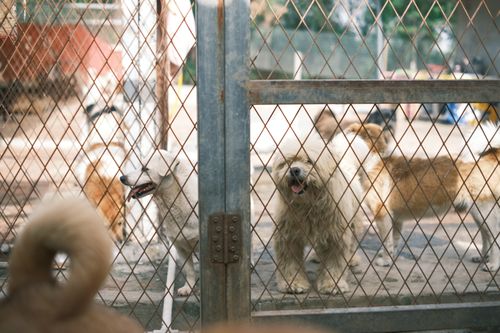
Anyone toying with the idea of a dog sooner or later reaches the question: buy or adopt? In Switzerland's shelters and animal-welfare organisations, many wonderful dogs are waiting for a second home – from the playful youngster to the calm senior. Giving one of them a spot on the sofa is one of the loveliest decisions you can make. And it is often easier than many think.
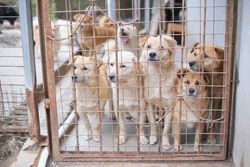
First, a stubborn prejudice: that shelters are home only to "problem dogs" that nobody wanted any more. That is simply not true. Dogs end up in a shelter for all sorts of reasons – a death in the family, a divorce, a move abroad, an illness or simply the realisation that someone can no longer do right by the animal. In most cases this has nothing to do with the dog's character.
Puppies are rather the exception at a shelter. The real treasures are often the adult dogs and the seniors. They are fully grown, often already house-trained, know the basic rules of living together – and they thank you for a new home in a way you have to experience to believe.
Why adopt a dog?
The biggest advantage of adoption: you know who you are dealing with. A fully grown dog already shows how big it is, how much exercise it needs and how it reacts to other dogs, children or cats. With a puppy much of that is still a lucky dip – with an adult dog from a shelter you get an honest assessment from the carers.
On top of that comes the thought that drives many people in the first place: you are helping. You free up a place for the next dog in need and take a stand against the trade in animals treated like merchandise. And finally, adoption is considerably cheaper than buying a pedigree puppy from a breeder – more on that shortly.
You do have to stay honest, though: some shelter dogs come with baggage. A dog that has had bad experiences needs time, patience and sometimes the support of a good dog school before it thaws out. A reputable shelter does not hide this, but deliberately looks for people who are ready for it. If you bring that patience, you will be richly rewarded. If you would like to compare the various routes to your own dog, you will find that in our guide to buying a dog.
Where do I find a dog to adopt?
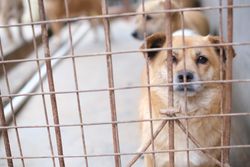
The first port of call are the shelters and the animal-welfare organisations in your region. Many of them are affiliated with Swiss Animal Protection STS and work to clear standards. Almost all of them list their rehomable dogs online, with a photo, age, a description of character and details of whether the dog is suited to children, cats or other dogs.
My most important piece of advice: go into it with an open mind. Anyone looking only for a particular breed in a particular colour may overlook the very dog that fits their life perfectly. Mixed-breeds are often robust and even-tempered, and older dogs in particular become incredibly devoted to their person.
Even so, it is worth thinking beforehand about what suits you – a calm companion or a sporty type, a big or a small dog. To get a feel for the different breeds and their needs, browse our breed wiki. And if you are right at the beginning, our which-breed-suits-me test will help you honestly weigh up your wishes and your everyday life.
The adoption process
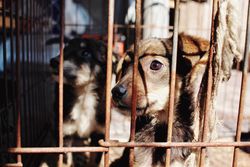
A reputable shelter does not simply hand a dog over the counter. Behind it lies a proper process – and that is a good thing, because it protects both people and animals from a wrong decision. Here is how it usually goes:
- Contact and application: You get in touch with the shelter and describe your living situation, your daily life and your experience with dogs.
- Getting to know each other: You visit the dog, usually several times. You go for walks together and see whether the chemistry is right.
- Pre-check: Often a preliminary interview or a visit to your home follows, so the shelter can see where the dog will live.
- Adoption contract: If everything fits, you sign a contract that sets out the rights and duties of both sides.
- Adoption fee: Finally you pay an adoption fee, usually around CHF 200 to 400.
You can tell a good shelter by the fact that it asks you plenty of questions, talks openly about the dog's history and behaviour and sugar-coats nothing. And it will take the dog back if, against expectations, living together does not work out after all. This safety net is a real advantage over many other ways of getting a dog.
What does adoption cost?
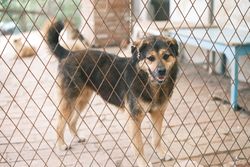
The adoption fee already mentioned, of around CHF 200 to 400, is deliberately not a sale price. It makes sure you are serious and covers part of the veterinary costs the shelter had for the dog – for example the microchip and the vaccinations. Compared with the price of a pedigree puppy, it is a small amount.
Far more important than this one-off amount are the ongoing costs coming your way. Food, the vet, equipment, tax and insurance add up year after year – regardless of whether the dog was bought or adopted. We have broken down what realistically comes together in our guide to the costs of a dog.
There are two items you should budget for from the start. First, dog insurance: liability insurance for dogs is compulsory anyway in many cantons, and health insurance cushions expensive vet bills. Second, the dog tax you pay each year to your municipality of residence. How high it is varies from municipality to municipality – you will find the legal basics on our Law & Taxes page, and with the tax calculator you can estimate the amount for where you live.
Adopting a dog from abroad
More and more people bring a dog into their home through a foreign animal-welfare organisation – from Romania, Spain, Greece or other countries. This can work wonderfully, but it calls for care, because clear rules apply to the import.
Every dog from abroad must meet the following requirements before it is allowed to enter the country:
- a microchip for identification;
- a valid rabies vaccination. This is possible at the earliest from 12 weeks of age and only becomes valid 21 days later – so in practice a dog is ready to travel at around 15 weeks at the earliest. Important: the vaccination only counts if it was given after microchipping;
- from EU countries, additionally an EU pet passport;
- from non-EU countries or countries with a rabies risk, additionally a health certificate, a rabies antibody test from an approved laboratory and an import permit from the FSVO (Federal Food Safety and Veterinary Office). Entry is only allowed via the airports of Basel, Geneva and Zurich, and in practice no dogs under 7 months are imported.
Be sure to choose a reputable organisation. Steer clear of dubious "rescue operations" that whisk puppies across the border at bargain prices and without papers. Such animals are often sick, separated from their mother too young – puppies may not leave her before 8 weeks – and poorly prepared for life. A good association works transparently, knows its dogs and follows all the rules.
After moving in: the first weeks
Once the decision is made and the dog moves in, a few formalities still await. As the new keeper you must record the change of keeper within 10 days in the AMICUS database – with a dog from a Swiss shelter, the shelter helps you with this. You also register the dog with your municipality of residence, where the dog tax falls due, and take out – where you do not already have one – liability insurance.
And then? Above all, give your new housemate one thing: time. A dog from a shelter comes from a loud, stressful environment into a completely new world. The first days should be calm, with fixed routines and no big programme. Some dogs blossom straight away, others only show their true nature after weeks. This settling-in period resembles that of a puppy in many ways – you will find the basics in our article on bringing home a puppy.
If you notice that you need support, get it early. In our overview of vets and dog schools you will find the right help near you – a good dog school is often half the battle, especially with a dog that has a history. Be patient, stay friendly and consistent, and you will see an insecure shelter dog turn into your most loyal companion. It is worth it – for both of you.