The Old Dog: Care and Signs of Ageing
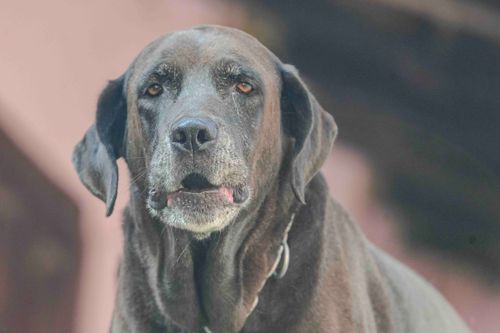
One day you notice it: a few grey hairs have crept in around the muzzle, the jump into the car no longer works quite so effortlessly, and after a long walk your dog sleeps more deeply and for longer than before. Your loyal companion is growing older. At first this is no cause for worry – above all it is a gift: a dog that gets to grow old has lived a good, well-cared-for life, and the senior years you share are often among the calmest and most tender of all.
Ageing is not an illness. But it does bring changes worth paying attention to – some of them quiet and gradual. Those who spot them early and gently adapt everyday life can give their dog many more happy, trouble-free years. In this guide we look at when a dog is actually considered old, which signs come with age, and how to keep your senior comfortable and healthy well into old age.
When is a dog considered "old"?
No single number marks when a dog becomes a senior – it depends heavily on size and breed. Large, heavy dogs age faster, small and light ones considerably more slowly. As a rough guide: giant breeds such as the Great Dane often count as seniors from around six years of age, large breeds from about seven, medium-sized ones at roughly eight to nine – and many small and toy breeds are only considered old from ten years or later. A helpful rule of thumb: a dog enters its senior years at roughly the last quarter of its expected lifespan.
A change of perspective is important here: age is not a diagnosis. A dog that is going grey and has become a little calmer is not automatically ill. It is simply changing – physically, and sometimes in temperament too. These are the changes we may accompany attentively but calmly.
The quiet signs of ageing
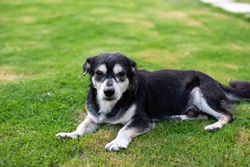
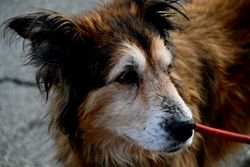
Most signs of age do not appear overnight but creep in slowly – which is why they are easy to miss in the familiar everyday routine. The grey coat around the muzzle and face is the best-known, but by no means the only one. Many dogs become calmer, have less stamina and sleep more. After resting they seem stiff, hesitate at stairs or shy away from jumping onto the sofa – often a sign of joint wear and arthritis.
The weight changes too: some dogs put it on because they move less; others lose weight – and weight loss should always be checked by the vet. The coat often becomes duller, the eyes can cloud over and eyesight can decline, and hearing grows weaker. Often more tartar builds up and the breath turns stronger. You should always have any new lumps or swellings under the skin checked out – the vast majority are harmless, but it is better to be safe.
And finally, in some old dogs the mind changes too. Much as in people, there is a form of canine dementia (cognitive dysfunction): affected dogs seem disoriented at times, their day-night rhythm gets muddled, they grow restless at night, suddenly start having accidents indoors again, or withdraw and seek less contact. This too is a reason to speak with your vet – much of it can be eased.
More frequent vet visits: the senior check-up
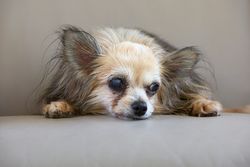
The older your dog gets, the more valuable regular check-ups become. While an annual check is enough for young, healthy dogs, for a senior a health check about twice a year is recommended. The vet then looks not only from the outside but often from the inside too: a blood and urine test can detect typical age-related conditions early – kidney disease, liver problems, an over- or underactive thyroid, diabetes or dental disease. And the earlier such things are caught, the better and more gently they can be treated.
One warning sign is worth remembering in particular: if your dog drinks noticeably more and passes correspondingly more water, that is a classic alarm signal that should be checked promptly – it can point to kidney, hormonal or sugar-related conditions, among others. You can find a practice near you in our directory of vets.
Staying active – in body and mind
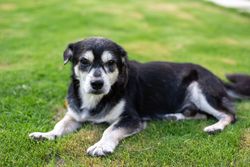
An old dog needs exercise – just gentler and in smaller doses. Instead of a single long outing, shorter but more frequent walks do it good; they keep muscles and joints supple without overtaxing them. Swimming is especially easy on the joints: in the water the body carries almost no weight, yet the muscles still work. Avoid the other extreme, though – a whole week of rest followed by an exhausting hike at the weekend. Such feats of strength overload a senior body. You can read how to find the right balance and enjoy relaxed outings together in our article on hiking with your dog.
At home you can noticeably ease daily life for a stiff dog. Non-slip rugs or runners on smooth floors provide grip, a ramp or a step helps with getting in and out of the car or onto the sofa, and a warm, soft, orthopaedic dog bed takes the strain off tired bones. If your dog seems to be in pain or stiff, please do not give it any medication from the household cabinet – many painkillers for humans are toxic to dogs. Suitable pain relief or joint support is always something for the vet to decide.
Just as important as the body is the mind. Keep your dog mentally alert – with calm search games, small tasks and plenty of sniffing out on walks, which is a wonderful, gentle activity for old dogs. Firm, reliable routines provide security and help especially dogs with early-stage dementia. Feel free to keep the cherished habits – just at a more leisurely pace.
The right weight and the right diet
With an old dog it pays to keep a particularly watchful eye on the scales. Excess kilos are a heavy burden on ageing joints and organs and can significantly worsen existing complaints – keeping a senior slim is one of the most effective things you can do for its health. You can find out how to tell whether your dog weighs too much, and how to gently bring it back into shape, in our guide to overweight in dogs.
The diet may move with age. An age-appropriate food and a portion adjusted to the lower energy needs prevent the now-calmer dog from putting on weight. Some seniors, however, have the opposite problem and struggle to keep weight on – then they need the right support. What belongs on the plate depends on the individual dog; the right feeding is best discussed with your vet, and you will find the basics in our guide to canine nutrition. And whatever ends up in the bowl: fresh water must always be available.
Teeth, coat and claws
Daily care becomes more important with age – not least because the dog looks after itself less. Dental care is especially important now, because tartar and gum inflammation not only cause pain but put a strain on the whole body. You can read how to prevent it and what helps against existing deposits in the article on tartar in dogs.
The coat needs more attention too: old dogs groom themselves less often, so regular brushing does it good – it keeps the coat clean, boosts circulation and is also a lovely, calm bit of fussing. And you should check and trim the claws more often: because a less active dog barely wears them down on its own, they more easily grow too long. We explain how to do this safely and stress-free in our guide to trimming claws.
When to see the vet?
As calmly as we may accompany the ageing process, we should be equally attentive to genuine warning signs. Please show your dog to the vet promptly if any of these signs appear:
- sudden changes in behaviour or condition;
- markedly increased drinking and urinating;
- weight loss, difficulty eating or new lumps;
- disorientation, laboured breathing or signs of pain.
Better to have something checked once too often than to miss a treatable problem. Such signs do not necessarily mean anything serious – but they belong in expert hands.
And at some point, right at the end of a long dog's life, it comes down to perhaps the hardest and most loving question of all: that of quality of life. Here the vet is the best partner for judging honestly and compassionately how your dog is really doing. Because what matters in the end is simple: an old dog should above all be safe, comfortable and free of pain. This guide is general orientation and does not replace a veterinary examination – anything concerning your senior's health is best discussed with your vet.
Note: this guide offers general orientation and does not replace a veterinary examination or advice. If your dog has a health problem or in an emergency, please consult your vet.