Diarrhoea in Dogs: Causes, Bland Diet & When to See the Vet
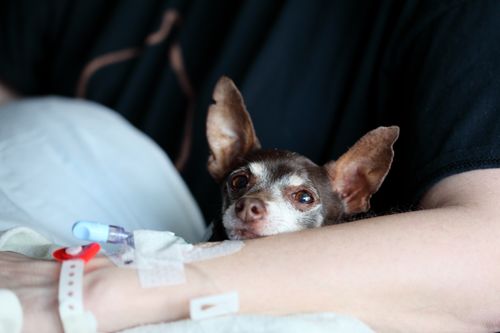
Few things worry dog owners as quickly as a soft pile in the garden or a restless night with a dog scratching at the door. Diarrhoea is one of the most common reasons people bring their dog to the practice – and the good news first: in the vast majority of cases it is harmless and passes on its own again. Even so, it is worth knowing what may be behind it, how to make the first few days easier for your dog, and how to tell when it is time to call the vet.
One thing we want to state right at the outset: this article is calm orientation, not a substitute for a veterinary examination. It helps you assess the situation better – but in case of doubt it is always the professional who can look at and examine your dog who decides. With that thought in mind, let's take a calm look at the topic.
Diarrhoea Is a Symptom, Not a Disease
First, some perspective that takes a lot of pressure off: diarrhoea is not a disease in its own right, but a symptom. It is how the gut reacts to something that is bothering it – and it often does so very quickly and very sensitively. Soft, mushy or watery stools, more frequent defecation, sometimes a little mucus too: all of these are signs that something in the digestive tract has just gone out of balance.
In an otherwise healthy, lively adult dog, such a gastrointestinal upset is usually harmless and self-limiting – meaning it subsides on its own again, often within two to four days. The body clears things out, the gut settles, and after a few days everything is back to normal. That is exactly why the first piece of advice is almost always: keep calm, watch attentively and go easy on the stomach.
It only becomes serious when accompanying signs appear or the diarrhoea refuses to stop. We will take a calm look further down at what those are. If you are unsure how your dog is doing, a quick call to the vet practice is never wrong – better to ask once too often than once too rarely.
The Most Common Causes
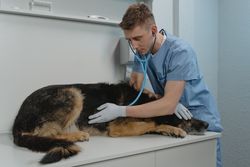
The list of possible triggers is long, but a few causes crop up again and again in everyday life. Right at the top is changing the food too quickly. A dog's gut likes routine; switch the food overnight and it will happily respond with soft stools. So you should always introduce a new variety slowly over several days – we describe how to do this in our guide to dog nutrition.
At least as common is simply something snatched up: the dog eats something spoiled out on a walk, roots through the rubbish, grabs an old bone or a piece of carrion. The gut reacts promptly. A food intolerance or allergy can also be behind it, when a particular protein or ingredient isn't tolerated.
The mind should not be underestimated either. Stress and excitement – a house move, a journey, New Year's Eve, exciting visitors – literally hit some dogs in the stomach. Then there are the uninvited guests: parasites such as worms or giardia and infections with viruses or bacteria are among the classic triggers, especially in young dogs.
And finally the more serious possibilities that you should be aware of without panicking straight away: poisoning – for example from toxic foods or poisonous plants –, a swallowed foreign object that blocks the gut, or a chronic illness when the diarrhoea keeps coming back. These cases need a veterinary work-up, more on that shortly.
Bland Diet: What Is Good for the Stomach Now
If the dog has diarrhoea but is otherwise lively, you can help him through the difficult days with a bland diet. The classic is simple, cheap and tried and tested: well-cooked rice with lean, boiled chicken – no skin, no bones and, above all, no salt, oil or spices. The rice provides easily digestible energy, the chicken lean protein. If you like, you can mix in a little low-fat cottage cheese or quark; traditionally the bland diet is also supplemented with puréed, cooked carrot.
More important than the exact composition is the way you feed: several small portions spread over the day rather than one large meal. That takes the strain off the gut. Once the stools improve, you gradually mix the usual food back in over a few days, until your dog is finally eating quite normally again.
One point is close to our heart: home-cooked bland food of rice and chicken is a stopgap for a few days – around three to seven – but it is not balanced for the long term. It doesn't cover the need for vitamins and minerals and is therefore not suitable as a permanent food. If the matter drags on, there are special veterinary gastrointestinal diets developed for exactly this situation. Which solution fits is best discussed with your vet; you will also find general feeding tips in our nutrition guide.

Fasting, Water and Rest
One piece of advice stubbornly persists around diarrhoea: to let the dog fast first. This can make sense with an otherwise healthy adult dog: a short break from food of a few hours gives the gut a chance to settle. You shouldn't overdo it, though.
One thing is absolutely clear: no fasting for puppies, small, old, pregnant or weakened dogs. They have hardly any reserves and must not skip a meal – puppies in particular also dehydrate frighteningly fast. When in doubt, skip the break from food and instead just check quickly with the vet.
One thing always applies, for every dog: fresh water must be available at all times. Through the diarrhoea the body loses fluid, and the greatest danger with persistent diarrhoea is dehydration. If your dog drinks well, that is a good sign. For puppies and seniors an electrolyte solution is sometimes an option – but please only after consulting the vet practice, not on your own initiative.
And one more principle, important enough to repeat: never give human medicines, such as anti-diarrhoea remedies from your own medicine cabinet, without explicit veterinary instruction. Many of them are unsuitable for dogs or even dangerous.
Warning Signs: When to See the Vet?
As often as diarrhoea is harmless – there are situations in which you should not wait but seek veterinary advice the same day. You should know these warning signs:
- Blood in the stool, whether bright red or black and tarry.
- Repeated vomiting in addition to the diarrhoea.
- Marked lethargy, weakness or apathy.
- Signs of dehydration: sticky gums, a skin fold that stays standing, sunken eyes.
- A hard, bloated or painful abdomen.
- Fever.
- A suspicion of poisoning or a swallowed foreign object.
- Very frequent, heavily watery diarrhoea.
- Diarrhoea in a puppy or a very small, old or chronically ill dog – these dehydrate especially fast.
Even without such alarm signs, the rule is: if the diarrhoea lasts longer than two to three days or keeps coming back, the dog should be examined. And if poisoning is suspected, every minute counts – you can read how to react correctly in an emergency in our article on first aid for dogs. And if things turn serious at night or at the weekend and no regular practice is reachable, our overview of emergency vets will help you further.
Prevention and Staying Calm
Diarrhoea can never be prevented entirely – the canine gut is simply sensitive. But a few habits noticeably lower the risk: always change food slowly, don't let the dog eat everything lying by the wayside out on walks, secure access to rubbish and compost, and coordinate worming with the vet practice. Toxic foods and plants belong out of reach too – two topics we cover in detail in their own articles.
A reassuring word to close: the vast majority of uncomplicated cases improve all on their own within a few days with a bit of rest, a bland diet and patience. Watch your dog attentively, provide calm and fresh water, and give his stomach the break it needs.
And yet the most important sentence to end on, because it can't be said often enough: this guide is no substitute for a veterinary examination. It helps you make sense of the situation and act calmly – but as soon as you are unsure, the condition worsens or one of the warning signs appears, the vet is the right place to turn. In our overview of vets and other services you will quickly find the right help near you. For your dog's sake, that is the safest way.
Note: this guide offers general orientation and does not replace a veterinary examination or advice. If your dog has a health problem or in an emergency, please consult your vet.