Toxic plants for dogs: garden, home and nature
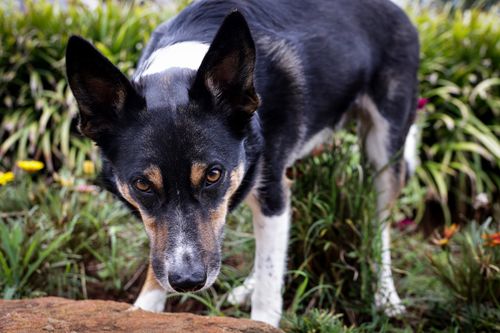
The greatest plant danger to your dog rarely grows deep in the woods. Far more often it stands right outside the front door: in your own garden, on the balcony, in the flowerpot on the windowsill or in the bouquet on the dining table. Quite a few plants that do us humans no harm are toxic to a dog – some cause only tummy ache, others can become life-threatening. And because dogs explore their world with their snout, a leaf, a berry or a bulb quickly ends up in the mouth.
The list of possible culprits is long, and this text cannot possibly cover it completely. It shows you the most important plants you should know, what to watch out for with house plants and bouquets, and what to do if your dog does nibble something after all. One rule up front that outshines all the others: if you are not sure about a plant, keep your dog away from it and ask one time too many rather than too few.
Garden and nature: plants you should know
Let us start outdoors, because this is where the concentrated load is. Some of the most toxic plants of all are perfectly ordinary garden and hedge plants that we walk past every day. In Swiss gardens in particular, countless hedges consist of cherry laurel, thuja or box, and you find yew in many older gardens and in cemeteries.
At the very top of the list is the yew. Except for the red flesh of the berries, the whole plant is highly toxic, the needles and seeds especially; even small amounts can throw the heart out of rhythm. Similarly serious are oleander, foxglove and lily of the valley: all three contain substances that act on the heart rhythm. The foxglove, with its bell-shaped flowers, looks harmless but is toxic through and through, and with lily of the valley even nibbling a few leaves or a sip from the flower water is enough.
Other plants you should have on your radar in the garden and out in nature:
- Autumn crocus – in late summer and autumn on damp meadows, strongly toxic in all its parts.
- Rhododendron and azalea – even a few leaves trigger drooling, vomiting and weakness.
- Laburnum – the pretty yellow flower clusters and above all the pea-like pods with the seeds are toxic.
- Cherry laurel – an evergreen hedge everywhere, its leaves and seeds release prussic acid.
- Box and thuja – two classics of the garden hedge, both toxic and above all a problem when chewed.
- Ivy – its leaves and berries irritate the mouth and stomach.
Think of the compost heap and the garden waste too: hedge clippings from toxic plants are just as tricky for a curious dog as the plant on the bush.
Why flower bulbs are so treacherous
Flower bulbs deserve a category of their own. Tulips, daffodils and hyacinths are among the most popular spring flowers – and their bulb is the most toxic part of the whole plant. That is exactly where the problem lies.
Many dogs love to dig. In autumn, when you set the bulbs fresh into the bed, the loosened soil smells exciting, and the dog digs the bulb straight back up. Just as tricky is the open bag of bulbs standing in the garage or the garden shed. To a dog a bulb like that looks like a ball or a treat. So store bulbs sealed away and keep an eye on freshly planted beds for a while.
House plants and bouquets
Indoors, too, not every green plant is harmless, and unlike in the garden, house plants are a concern all year round. One whole group of popular house plants in particular causes trouble regularly: dieffenbachia, pothos, peace lily and philodendron. They all contain tiny, needle-like crystals that strongly irritate the mouth and throat when chewed – the dog drools, gags and can swell up inside the mouth.
On top of that comes the cyclamen, whose tuber in the pot is the most toxic part, and the castor bean plant, whose seeds are among the most dangerous of all. There is a small piece of reassurance at least: the poinsettia, which stands in many living rooms around the festive season, has a worse reputation than it deserves. Its milky sap usually irritates the skin and mucous membranes only mildly and is as a rule far less dramatic than often claimed.
Tricky moments are repotting and fallen leaves that lie unnoticed on the floor. And then there are the cut flowers: a pretty spring bouquet quickly contains tulips, daffodils or lily of the valley. Put bouquets out of reach, pick up fallen leaves and blossoms immediately and do not let your dog drink the water from the vase.
How to recognise a poisoning
How a poisoning shows depends heavily on the plant and on the amount. Some signs come immediately, others only after hours. Watch out for:
- increased drooling and swallowing
- vomiting and diarrhoea
- an irritated, painful mouth
- trembling, restlessness or striking weakness
- in severe cases heart rhythm disturbances or neurological failures such as seizures
A dog that is still doing fine at first is not automatically off the hook. Precisely with plants that go for the heart, the condition can deteriorate with a delay.

What to do immediately
If you have caught your dog at a toxic plant or you find nibbled leaves, go calmly and step by step:
- Take the plant away from the dog at once and remove any remains from the mouth.
- Note which plant it was, and best of all take a photo. Keep a sample – a leaf, a blossom, a piece of bulb – for the vet.
- Call your vet or the free national poisoning number of Tox Info Suisse immediately: 145. It is reachable around the clock and also advises on animals.
Two things are crucial. First: do not wait for symptoms to appear – with some poisons every minute counts. Second: do not make your dog vomit on your own initiative. With some plants that does more damage than the poison itself. Whether and how vomiting is done is decided by the professionals on the phone or at the practice.
Who is especially at risk – and how to prevent it
Two groups are most at risk: puppies, who explore everything with their mouth, and dogs that nibble on plants out of boredom. Anyone who is alone a lot or under-occupied quickly makes the house plant their pastime.
Preventing it is fortunately no big deal:
- Go once, deliberately, through the garden, balcony and home and see what stands within a dog's reach.
- Put toxic house plants up high or give them away as long as your dog still nibbles everything.
- Secure freshly planted beds and store flower bulbs sealed away.
- Check every bouquet you bring into the house.
- Give bored chewers a safe alternative – a chew or a toy is better than the green plant.
When in doubt, ask once too often
This overview names the most important plants, but it is deliberately not complete – there are simply too many toxic species for that. That is exactly why a simple basic attitude pays off: if you do not know a plant or are unsure whether it is toxic, keep your dog away and ask. A quick phone call is always cheaper than an emergency, and when in doubt 145 will give you a quick answer.
You will find vets and emergency services near you in our overview of vets and services. To go with it, we show you which foods are toxic for dogs, and in our guide to first aid for dogs you can read how to react calmly and correctly in an emergency.
Note: this guide offers general orientation and does not replace a veterinary examination or advice. If your dog has a health problem or in an emergency, please consult your vet.