Toxic for dogs: these foods are dangerous
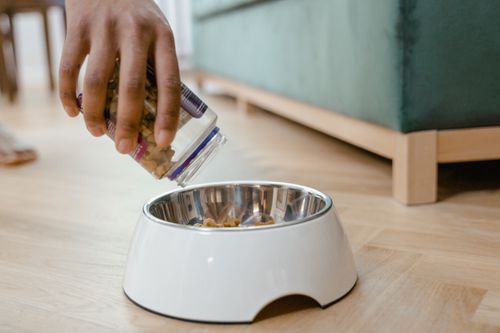
A dog would eat a lot of things if you let it. The biscuit that fell on the floor, the piece of chocolate on the coffee table, the leftovers from the mid-morning snack – to a dog's nose all of that smells like a good idea. Only a dog's stomach is not a rubbish bin. Some perfectly everyday foods that do us humans no harm can seriously harm your dog, from mild tummy ache to a genuine emergency. The good news first: anyone who knows what is tricky and reacts calmly and quickly in an emergency almost always sees a happy ending.
You do not need to study toxicology for this. It is enough to know the main culprits, to keep them consistently out of reach and to know who to call if something does happen. That is exactly what this is about.
The three most dangerous: chocolate, grapes, xylitol
If you ask vets which foods most often cause real emergencies, almost always the same three names come up: chocolate, grapes along with raisins, and the sweetener xylitol. They have one unpleasant thing in common: they lie around openly in many households, especially around Christmas and Easter.
Chocolate and cocoa
Chocolate contains theobromine and a little caffeine. The dog's body breaks both down only slowly, and that is exactly what makes it dangerous. As a rule of thumb: the darker the chocolate, the more theobromine it contains. Dark chocolate and baking chocolate are the trickiest, milk chocolate less so, white chocolate least of all. A dog that has been nibbling often first becomes restless, vomits, gets a racing heart and trembles; in severe cases seizures occur. The advent calendar at snout height or the hidden Easter nest in the garden are therefore not a good idea.
Grapes and raisins
Grapes and raisins can trigger acute kidney failure in dogs, and the treacherous part is: there is no amount that reliably counts as harmless. Some dogs apparently tolerate quite a bit, others react severely to just a little. So treat any intake as a serious incident. Think of the hidden versions too: raisins sit in cake, in panettone, in muesli or in biscuits. Precisely because they are so small and inconspicuous, they are easily overlooked.
Xylitol (birch sugar)
Xylitol, often sold as birch sugar, is one of the most underestimated toxins in the household. The sweetener is found in sugar-free chewing gum, in sweets, in baked goods and sometimes even in peanut butter. In dogs it triggers a rapid, dangerous drop in blood sugar and can lead to liver failure. Even small amounts are risky. Anyone who bakes with birch sugar at home or has sugar-free chewing gum in their handbag should be especially careful here.
The rest of the danger list
Besides the big three there is a range of other foods that have no place on a dog's plate. Some act immediately, others build up quietly over days.
Onions, garlic, leek and chives
The whole onion family, whether raw, cooked or dried, damages the red blood cells and can trigger anaemia. The insidious part: the effect adds up. It does not take the one big portion; it is enough if leftovers with onion or garlic keep landing in the bowl, say from a sauce or off a pizza. Dried spice mixes count too.
Macadamia nuts
Macadamia nuts cause weakness, an unsteady gait, trembling, fever and vomiting in dogs. They are often found in fine Christmas biscuits and in nut mixes, one more reason to keep the biscuit tin firmly closed.
Alcohol and raw yeast dough
Alcohol has no place in a dog, not even in small sips. Raw yeast dough is especially treacherous: it keeps rising in the warm stomach, stretches it and additionally produces alcohol in the process. That makes it dangerous twice over. So never leave dough out to rise within a dog's reach.
Caffeine
Coffee, black tea and energy drinks act similarly to chocolate; here too it is ultimately a caffeine-like substance that causes the dog trouble. The finished coffee cup or the coffee grounds in the compost are trickier than you would think.
Avocado, bones, salt and fat
Avocado contains persin and is a problem above all in larger amounts; on top of that comes the large stone, which is easily swallowed and can block the intestine. Cooked bones splinter and can injure or obstruct the digestive tract – raw and cooked are two completely different things here. And finally, large amounts of salt as well as very fatty or heavily seasoned food do not agree with a dog: both can trigger inflammation of the pancreas. The leftovers from the fondue or the fatty bratwurst are no gift, then.
How to recognise a poisoning
The signs depend heavily on what and how much the dog got hold of, and they can be delayed by hours. A dog that is doing fine at first is therefore not yet the all-clear. Watch out for these signals:
- vomiting and diarrhoea
- heavy drooling
- restlessness or, conversely, striking apathy
- an unsteady gait or trembling
- a fast heartbeat
- in severe cases collapse or seizures
If your dog seems strange to you after sniffing or nibbling somewhere, do not wait for it to get worse.
What to do immediately in an emergency
If you know or suspect that your dog has eaten something toxic, do not wait for symptoms but act at once. The most important thing is to stay calm and go step by step:
- Note what, roughly how much and when your dog ate it.
- Keep the packaging; it helps the vet assess the risk.
- Call your vet or the nearest emergency practice immediately. Or dial the free national poisoning number of Tox Info Suisse: 145. It is reachable around the clock, free of charge, and also advises on poisonings of animals.
One point is crucial: do not make your dog vomit on your own initiative, unless the vet explicitly tells you to. With some substances, vomiting does more damage than the poison itself. Leave that decision to the professionals on the phone.

Prevention at home
Most poisonings do not happen on the walk but in your own kitchen. A few simple habits take the biggest scare out of the topic:
- Store tricky foods consistently out of reach, do not leave them lying on the table or the worktop.
- No table scraps, no "just one little piece"; otherwise the dog learns exactly the wrong thing.
- Briefly brief children and guests. Around Christmas and Easter, chocolate and raisins lie around everywhere, and not everyone thinks of the dog.
- Keep an eye on handbags; sugar-free chewing gum with xylitol is a classic.
- Make the rubbish bin dog-proof. Coffee grounds, onion skins and spoiled food are tempting for a curious snout.
Danger on the walk: poison bait
A topic of its own is poison bait laid out, that is, deliberately prepared morsels maliciously scattered around. You cannot prevent this entirely, but you can teach your dog not to eat anything off the ground. A reliable "leave it" or "drop it" is worth its weight in gold and can be trained well with a little patience. If you suspect your dog has taken bait, the same applies as with any poisoning: straight to the vet or the emergency practice.
Stay calm, most of it can be avoided
As long as the list looks, with a little care the whole thing is well under control. Keep the big three – chocolate, grapes and xylitol – especially well locked away, give no table scraps and keep your vet's number to hand. Then the dog's stomach stays what it should be: nicely filled with the right things.
You will find more help in our overview of vets and emergency services in your region. If a young dog has just moved in with you, our guide to the puppy is also worth reading, and anyone who wants to keep an eye on the running expenses is best off reading our article on the costs of a dog.
Note: this guide offers general orientation and does not replace a veterinary examination or advice. If your dog has a health problem or in an emergency, please consult your vet.