Osteoarthritis in Dogs: Recognising and Easing Joint Problems, HD and ED
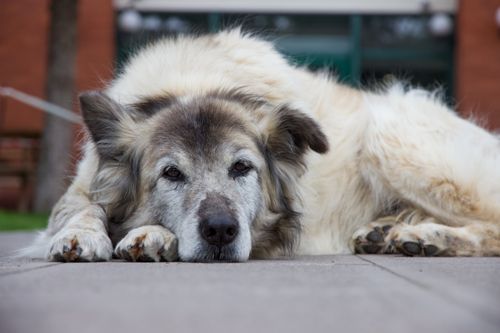
The first jump into the car no longer works on the first try, getting up in the morning takes longer, and on walks the dog suddenly stops more often: when a dog grows stiffer and loses its enthusiasm for movement, osteoarthritis is often behind it. Osteoarthritis is the most common joint disease in dogs and accompanies many animals through the second half of their lives. The good news up front: a joint that has once worn down cannot be cured, it is true, but with the right measures osteoarthritis can be managed very well – and the earlier you act, the longer your dog keeps its quality of life.
In this guide we explain what happens in the joint during osteoarthritis, what role the malformations HD and ED play in it, how to recognise the first signs and – above all – what you yourself can do to make your dog's life easier. One thing right away: diagnosis and treatment always belong in the hands of a vet. Treating it yourself is dangerous, as we will make clear further below.
What Osteoarthritis Actually Is
Osteoarthritis is a chronic, progressive wearing of the joint. In a healthy joint, the ends of the bones are covered with a smooth layer of cartilage that acts like a shock absorber and lets the bones glide against one another without friction. With osteoarthritis this cartilage breaks down bit by bit. Without the protective layer, the bones increasingly rub directly against each other – this hurts, the joint becomes inflamed again and again, and the body tries to counteract it with bony growths. This creates a vicious circle of pain, taking it easy and muscle loss, which worsens the trouble over time.
Because the cartilage does not grow back on its own, the wear cannot be reversed. That is precisely why it is so important to step in early: by relieving the joints in good time and keeping the inflammation in check, you can markedly slow the progression and give the dog many years with few complaints.
HD and ED: Common Causes of Osteoarthritis
Very often osteoarthritis is the consequence of a joint malformation that the dog already carries from a young age. The two best known are hip dysplasia (HD) and elbow dysplasia (ED). In HD, the head of the femur and the joint socket do not fit together cleanly; in ED, the components of the elbow joint develop faultily. In both cases the joint is not optimally shaped, is loaded unevenly and therefore wears out sooner – the osteoarthritis is more or less pre-programmed.
These malformations are largely hereditary and occur especially in large, fast-growing breeds. But not every case of osteoarthritis has to do with HD or ED. Injuries such as a torn cruciate ligament, an earlier fracture, lasting incorrect strain and, most of all, excess weight can also damage the joints. And finally, age too leaves its mark: in many older dogs a certain amount of joint wear is simply part of getting older.
How to Recognise Osteoarthritis
Osteoarthritis creeps up gradually, and especially at the start the signs are easy to miss or are wrongly dismissed as mere ageing. Typical above all are the so-called start-up difficulties: the dog is stiff after resting, seems rusty in the morning or after a nap and only loosens up after a few minutes. Watch out for the following clues:
- stiffness after lying down, especially in the morning and after sleeping;
- less desire to move, shorter walks, lagging behind;
- lameness or limping, sometimes only now and then;
- difficulty with stairs, jumping or getting up;
- muscle loss, especially in the hindquarters;
- changes in temperament – some dogs become irritable from the pain or withdraw;
- worse complaints in cold, damp weather.
Important: dogs are masters at hiding pain. An animal that does not visibly limp may still be in pain. If your dog simply becomes quieter or less keen, that alone is reason enough to take a closer look.
Diagnosis Belongs with the Vet
Whether it really is osteoarthritis and which joint is affected can only be established by the vet. The diagnosis includes a thorough clinical examination – the joints are palpated and moved and the gait is assessed – as well as, as a rule, an X-ray, on which wear, misalignments and bony growths can be made visible. Only on this basis can a sensible treatment plan be drawn up. So never simply assume osteoarthritis and set off on your own – the first step is always the trip to the vet.
What You Can Do Yourself
Osteoarthritis is best treated multimodally, that is, by combining several building blocks at once. And the biggest lever, surprisingly, does not lie in a medication, but on the scales.
The Ideal Weight – the Most Important Factor
By far the most important factor with osteoarthritis is body weight. Every excess kilo puts additional strain on already damaged joints and, on top of that, fuels the inflammatory processes. A dog at its ideal weight moves more easily, hurts less and often needs less medication. If your dog is carrying too much, healthy weight loss is therefore the single most effective measure there is – how to manage it you can read in our guide on excess weight in dogs.
Exercise: Regular and Moderate
A dog with osteoarthritis should move – but in the right way. Movement keeps the joints supple and maintains the muscles that support the joint. The key lies in the dosing: many short, calm outings are far better than a few long forced marches. Ideal is even exercise on the lead, such as a relaxed walk at a calm pace.
What you should avoid, on the other hand, is anything that strains the joint abruptly: wild romping, sudden stops, hours of throwing the ball and big jumps. The much-loved ball throwing in particular, with its full-throttle starts and hard braking, is poison for diseased joints. Gentle, even activities such as calm hiking at an adapted pace, by contrast, do good – provided you do not overtax your dog and build in enough breaks.
Physiotherapy and a Joint-Friendly Home
Physiotherapy for dogs has proven its worth. Targeted exercises build up muscle and improve mobility. Particularly gentle is hydrotherapy on the underwater treadmill: the water carries part of the weight, so that the dog can build muscle without straining the joints.
At home, too, you can make your dog's everyday life easier:
- a warm, soft and draught-free resting place relieves the joints and does good especially in cold, damp weather;
- non-slip floors – put down rugs or runners on smooth tiles and parquet, so that your dog does not slip;
- ramps instead of jumps: a ramp into the car or onto the sofa spares the dog a painful jump, and stairs are best avoided where possible.
Pain Relief: Only from the Vet
If these measures are not enough, the vet prescribes pain-relieving and anti-inflammatory medication that gives the dog noticeable relief. In addition, supplements such as omega-3 fatty acids can have a supporting effect – though how strong it is varies from dog to dog. Which therapy is suitable is always decided by the vet.
And here comes a crucial, indeed life-saving warning: never give your dog painkillers from your own medicine cabinet. Substances such as ibuprofen and paracetamol are toxic to dogs and can be fatal even in small amounts. What helps a human can kill a dog. Painkillers for dogs are available only on veterinary prescription – no self-medication, ever.
Prevention: Starting with the Young Dog
Osteoarthritis cannot be prevented entirely, but the risk can be lowered. In young dogs of large breeds it is crucial not to overload the joints during growth. As long as the bones are still growing, excessive stair-climbing, big jumps and hours of romping are off-limits – this protects the delicate joints from early damage.
A second important point concerns breeding. Because HD and ED are largely hereditary, responsible breeders have the parent animals X-rayed and scored for HD and ED and exclude affected animals from breeding. Anyone looking for a puppy of a larger breed should therefore ask specifically about these examinations – what matters when buying a dog we have summarised for you.
Acting Early Pays Off
The bottom line: osteoarthritis is not curable, but it is very treatable – and your effort makes a huge difference. The earlier the condition is recognised, the better it can be slowed. So if your dog seems stiff, limps or shows less desire to move, do not wait: have it checked by a vet. That way you secure your four-legged friend as many mobile, low-pain and happy years as possible.
Note: this guide offers general orientation and does not replace a veterinary examination or advice. If your dog has a health problem or in an emergency, please consult your vet.