Anal Glands in Dogs: Scooting, Causes and Help
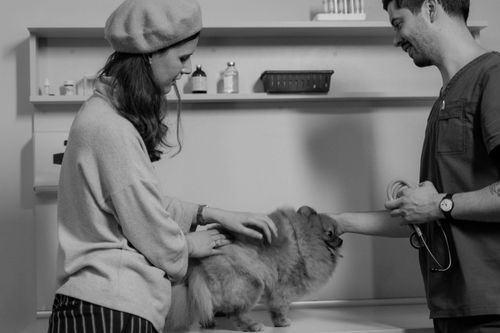
Watching your dog suddenly start dragging its bottom along the floor – one leg stretched forward, the other tucked in, the front paws pulling the body across the carpet or the lawn – can leave you puzzled at first. This behaviour, known as scooting, often looks comical, but for the dog it is anything but fun. In the vast majority of cases there is an itch or an uncomfortable pressure around the anus behind it, and one of the most common causes is the anal glands. Tiny and well hidden, they are unknown to most owners – until they start causing trouble.
In this guide we look calmly at what the anal glands actually are, what they are for and why they sometimes no longer empty properly. We go through the typical signs, the most common causes and what you can do at home to prevent problems – and, just as important, what you had better not do yourself. Because when it comes to anal glands, plenty of well-meant advice circulates that does more harm than good.
What Are Anal Glands and What Are They For?
The anal glands – more precisely called anal sacs – are two small, pouch-like glands that sit on the left and right, just below the anus. If you picture the anus as the face of a clock, they lie roughly at the four and eight o'clock positions. Inside, they produce a secretion with an intense and, to the human nose, decidedly unpleasant smell. For the dog it is precisely this smell that matters: the secretion serves for marking and is, in a sense, the dog's personal scent card.
Normally the anal sacs empty all by themselves. When the dog passes stool, the firm stool presses on the glands as it goes by and squeezes a small amount of the secretion out. This mechanism works quietly and unobtrusively – as long as the stool is firm enough and the pressure is sufficient. A healthy dog needs no help from outside at all, and in everyday life you simply notice nothing of the anal glands.
When the Anal Glands No Longer Empty
The anal glands become a problem when this natural emptying mechanism falters. If the secretion is no longer released regularly, it builds up in the sacs, thickens and becomes more viscous. The glands fill up, the duct can become blocked, and what stagnates can become inflamed. A blockage that is harmless at first thus turns over time into a painful inflammation and, in the worst case, an abscess – a pus-filled, very painful swelling that can rupture.
For the dog this is extremely unpleasant. The pressure and the itch around the anus are the reason it starts to scoot, lick or nibble – it is simply trying to get relief. The sooner these signs are read correctly, the better the chance of preventing a mild irritation from turning into a serious problem.
Signs You Should Take Seriously
Dogs cannot tell us where it hurts – which makes reading their body language all the more important. The following signs can point to blocked or inflamed anal glands:
- the classic scooting: the dog drags its bottom across the floor;
- frequent, persistent licking or nibbling at the anal region or under the tail;
- restlessness, repeatedly getting up and lying down, visible discomfort when sitting;
- a strikingly strong, unpleasant smell around the rear end;
- in more severe cases a visible swelling next to the anus, pus or blood.
On their own, some of these signs can be harmless and temporary. But if they pile up, if they persist, or if swelling, blood or clear pain is added, that is a clear reason to look more closely and seek professional advice.
How Problems Arise
Why the anal glands empty effortlessly in some dogs and cause trouble again and again in others has several reasons. The most important is linked to the consistency of the stool: if the stool is too soft, the pressure that normally expresses the glands is simply missing during defecation. Digestion therefore plays a central role. Frequent or chronic diarrhoea is a typical trigger, because loose stool never empties the glands properly.
Further factors that encourage problems are:
- overweight, because excess fatty tissue reduces the natural pressure on the glands;
- too little exercise, which likewise encourages sluggish digestion;
- an unsuitable diet with too little structure and fibre;
- allergies or chronic skin problems, which encourage inflammation;
- anatomical and individual predisposition – some dogs naturally have narrower ducts.
Often it is a combination of several of these factors. That also explains why some dogs never have a problem their whole life, while others are affected again and again.
Why You Should Not Express Healthy Anal Glands
A widespread misconception holds that a dog's anal glands must be expressed regularly as a precaution. The opposite is true: healthy anal glands should not be expressed routinely. The natural emptying mechanism works on its own in the vast majority of dogs, and unnecessary expressing can irritate the sensitive tissue and the duct, and even cause or worsen problems in the first place.
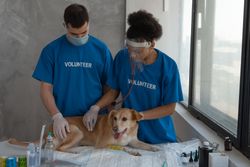
If trouble does arise, emptying belongs in expert hands. A vet – or a suitably trained professional – knows where the glands lie, how much pressure is appropriate and whether a simple emptying is enough or an inflammation is already present. Attempting to express the glands yourself and without guidance is strongly discouraged: an improper approach can hurt, injure the tissue and make matters worse. This handling looks simpler than it is.
Prevention: What You Can Do Yourself
The good news is that you can do a great deal to prevent problems from the outset – not at the anus itself, but through your dog's general lifestyle. Anything that ensures firm, well-formed stool helps the glands empty by themselves during defecation.
- A fibre-rich, structured diet makes for firmer stool and thus the necessary pressure. Which feeding suits your dog you can read in our article on nutrition.
- A healthy body weight not only eases the joints and the heart but also supports the natural pressure on the anal glands.
- Enough exercise keeps digestion moving and supports regular, firm passing of stool.
For dogs that are affected time and again, it is worth looking for the cause together with the vet practice – often a lot can be achieved simply by adjusting the diet.
Scooting Does Not Always Have to Do With the Anal Glands
As typical as scooting is of anal gland problems, it is not the only possible cause. When a dog drags its bottom across the floor or licks itself noticeably, other origins can be behind it too. Common ones include worms or other parasites that itch in the anal region, as well as allergies or skin irritations.
Precisely because the signs resemble one another, it is often impossible to tell from the outside what exactly the cause is. If the scooting persists or returns, it should therefore be checked by a vet rather than blaming the anal glands too hastily. Regular deworming and stool examinations are part of basic care anyway and rule out one common cause right away.
When to See the Vet?
When in doubt, the same applies to the anal glands as to all health questions: better to ask once too often than too late. You should seek professional advice when:
- the scooting or licking persists or keeps coming back;
- you feel or see a swelling next to the anus;
- the dog shows signs of pain, for example when sitting or when touched;
- blood or pus is discharged;
- the problems recur or become chronic.
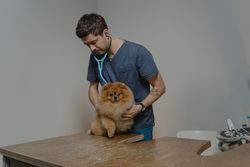
The vet can empty the glands properly, flush them if needed and treat an inflammation in a targeted way. In stubborn, recurring cases, surgery may rarely be considered. Which treatment makes sense is always decided case by case – and always at the practice, not at the kitchen table. Those who spot the signs early and start with their dog's lifestyle can nevertheless do much to ensure the anal glands remain what they should be: a small, inconspicuous detail you notice nothing of in everyday life.
Note: this guide offers general orientation and does not replace a veterinary examination or advice. If your dog has a health problem or in an emergency, please consult your vet.