Kennel Cough in Dogs: Symptoms, Duration and Treatment
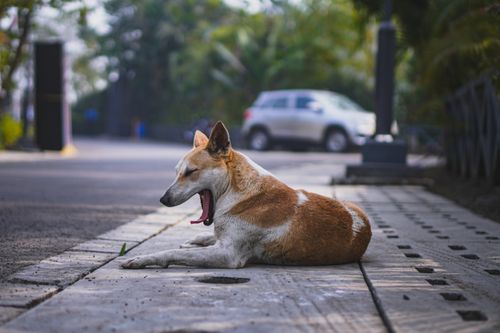
It sounds as if the dog has choked on something: a dry, honking cough, often followed by a gag as if trying to bring something up. It usually appears a few days after contact with other dogs, for example at dog school, a shelter, a boarding kennel or on a group walk. Almost always the cause is kennel cough, a highly contagious but in most cases harmless respiratory illness.
The name is misleading, because the illness has nothing to do with poor kennel conditions. It spreads anywhere many dogs come together. This guide explains how to recognise kennel cough, how long it lasts, when it becomes truly dangerous and how to protect your dog.
What kennel cough actually is
Kennel cough is not a single disease but an umbrella term for an inflammation of the upper airways in which several pathogens can be involved at once. The most common are the bacterium Bordetella bronchiseptica and various viruses such as the canine parainfluenza virus or the adenovirus. Often several pathogens act together and irritate the lining of the windpipe and bronchi.
The irritated windpipe responds to any stimulus with the typical cough. That is why even light pressure from the collar or excitement can trigger a coughing fit. The good news: in an otherwise healthy adult dog the illness usually clears up on its own, much like a cold in humans.
Reading the typical signs correctly
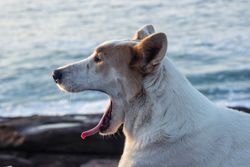
The leading symptom is that dry, harsh cough, which often comes in fits and sounds loud and honking. Many owners describe it as if the dog had something stuck in its throat. A gag often follows at the end, bringing up a little white foam. This is easily mistaken for vomiting, but it is part of the cough.
The cough typically worsens with excitement, when pulling on the lead, on exertion and when moving between warm and cold air. In uncomplicated cases the general condition stays good: the dog eats, drinks and is lively. If fever, loss of appetite, listlessness or purulent nasal discharge are added, the course is more serious and should be checked.

How dogs catch it
The pathogens are transmitted through tiny droplets in the air, so by barking, coughing and sniffing in close proximity. Shared water bowls, toys or resting places can also play a role. Wherever many dogs come together in a confined space, the risk of infection rises.
Typical places are boarding kennels, shelters, dog schools, shows, busy dog meadows and waiting rooms. An infected dog can infect others even before it starts coughing, and stays contagious for another one to two weeks afterwards. So keep a coughing dog strictly away from others.

Incubation, course and duration
Between infection and the first symptoms there are usually three to ten days. After that the cough is often very present for several days and can become bothersome especially at night or early in the morning. Uncomplicated kennel cough usually subsides within about one to two weeks.
If the cough drags on beyond two to three weeks, if the condition worsens or if further symptoms appear, this points to a complication such as a bacterial secondary infection or even the beginning of pneumonia. Veterinary help and possibly antibiotics are then needed.

When to see the vet
In an otherwise fit adult dog with a mild cough and good general condition you can first observe and ensure rest. Still, call the practice if you are unsure: over the phone it can often be decided whether an appointment is needed. Mention that your dog is coughing so the practice can keep you away from the waiting room.
Puppies, old dogs and chronically ill dogs should be seen quickly, as should any dog with fever, breathing difficulty, loss of appetite, marked listlessness or purulent discharge. In acute respiratory distress with bluish gums, every minute counts. The basics for a quick assessment are in our guide to first aid for dogs.

How kennel cough is treated
Uncomplicated kennel cough often needs no medication at all, but above all rest. For a strong, distressing dry cough the vet can prescribe cough suppressants or expectorants. An antibiotic only makes sense if bacteria are clearly involved or the course is severe, not routinely for every cough.
Never give human cough remedies from the medicine cabinet: many active ingredients are unsuitable or toxic for dogs. Stick to the vet's dosage. As support, calm, low-dust and slightly humid room air soothes the irritated airways.
Vaccination as important protection
There are vaccines against the main pathogens of kennel cough, usually against Bordetella bronchiseptica and the parainfluenza virus. They do not always fully prevent infection, but clearly ease the course and lower the risk of severe illness. Many boarding kennels and dog schools therefore require up-to-date vaccination.
Vaccination is especially useful for dogs with a lot of contact with other dogs, before a boarding stay or a visit to large events. The Bordetella vaccine is often given through the nose and builds up protection relatively quickly. Discuss the right timing with your vet.
Prevention in everyday life
A strong immune system is the best protection: a balanced diet, enough sleep and moderate exercise suited to the dog. Avoid shared water bowls in busy places and regularly clean bowls, toys and blankets if your dog has a lot of contact.
A harness instead of a collar relieves the sensitive windpipe and reduces the urge to cough when pulling. Also avoid smoky rooms and strong draughts. If kennel cough is going around in your area, keep some distance from unfamiliar dogs for one to two weeks.
Risk groups: puppies and seniors
In puppies the immune system is not yet fully developed, so kennel cough can take a severe course more quickly. Watch associated symptoms especially closely here and present a coughing youngster once too often rather than too late. You will find more on handling young dogs in our puppy guide.
Older dogs and those with pre-existing conditions such as heart or lung problems are also more at risk. In them a harmless cough can turn into pneumonia more quickly. Our senior dog guide offers everyday tips. Veterinary costs add up fast; a look at dog insurance is worthwhile.
Frequently asked questions
Is kennel cough contagious to humans? As a rule, no. Bordetella bronchiseptica can, in very rare cases, play a role in severely immunocompromised people; for healthy people there is practically no danger.
Can my dog go for walks with kennel cough? Short, calm solo walks are fine as long as the dog feels well. But avoid encounters with other dogs so as not to spread the infection.
How long is my dog contagious? Usually for another one to two weeks after the symptoms subside. To be safe, keep your distance from other dogs during this time.
Does the vaccine protect one hundred percent? No. It does not cover all possible pathogens, but it eases the course and clearly lowers the risk of infection.
Note: this guide offers general orientation and does not replace a veterinary examination or advice. If your dog has a health problem or in an emergency, please consult your vet.