Dogs in winter: cold, road salt and paw care
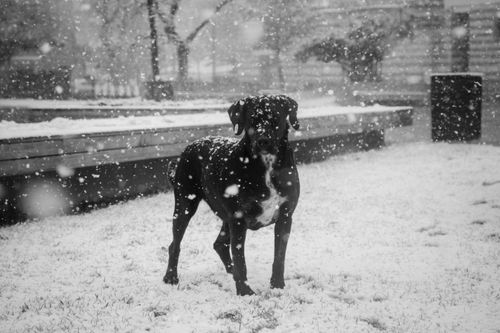
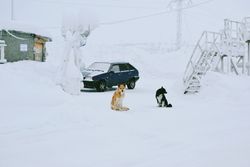
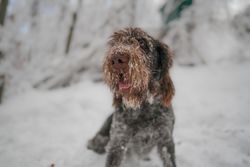
The first real snow, and some dogs go completely wild: they bury their snout in it, snap at the flakes and leap for joy like a puppy. Others stand beside them, tuck in their tail and lift one paw after another off the cold ground. Both are normal. How well a dog copes with cold depends above all on the dog itself — on size, coat, age and health. Anyone who knows their dog well will get him through the cold season relaxed.
Winter brings a few things that summer doesn't: road salt on the paths, ice on lakes and rivers, darkness setting in early and — often overlooked — antifreeze in garages and driveways. None of that is a reason to stay indoors. With a bit of care, the cold season becomes really lovely for the two of you. What it comes down to is what you'll read here.
How much cold is okay?
There's no fixed limit at which it becomes too cold for all dogs — that varies from dog to dog. Small, short-haired or very slim dogs get cold quickly, because they have little body mass and little insulating coat. Very young puppies, old and sick dogs also cool down faster and need more protection. At the other end are the sturdy breeds with a dense undercoat, the typical Nordic dogs and many herding dogs: in the cold they often only really start to feel comfortable and usually need no extra help at all.
Instead of looking at the thermometer, you're better off watching your dog. He shows you fairly clearly when he's getting too cold. You should take these signs seriously:
- shivering, or a tucked-in, tense body
- hesitating, stopping, a clear wish to turn back
- lifting the paws off the ground one after another
- restlessness and searching for a warm spot
Damp cold is more unpleasant than dry cold, and wind draws additional warmth out of the body. A soaked dog on a windy day gets cold noticeably faster than in dry frost. As long as you keep moving, a healthy dog stays nicely warm — it gets critical when he stands still for a long time or is wet.
Who needs a winter coat
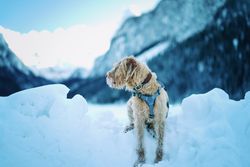
A coat is neither a costume nor a luxury — for some dogs it's a real help, for others simply unnecessary. It makes sense for those who bring little of their own by nature: small and short-haired breeds, very slim dogs like sighthounds, plus puppies and senior dogs. Older dogs with stiff joints have a harder time in the cold anyway; a warming coat can make the walk noticeably more pleasant for them.
A dog with a dense, double coat, on the other hand, brings its own insulation. Putting it in a coat does nothing and can even get in the way. If you do buy one, pay attention above all to the fit: the coat should cover the back to the base of the tail and, ideally, the belly too, but must not chafe anywhere or restrict movement. Your dog has to be able to walk normally, sit down and move its legs freely. And: only pack a dry dog into it — a wet coat under the jacket cools him down all the more. A model with reflective strips brings the added benefit of better visibility.
Road salt and the right paw care
As soon as it gets slippery, road salt and grit land on pavements and streets. For our feet in solid shoes that's no issue, but for dog paws it is. Salt dries out the pads, makes them rough and cracked and irritates the sensitive skin between the toes. The grit chafes on top of that. And because most dogs lick their paws, they also take in the salt — which can upset their stomach.
With a small routine you have this well under control. After every winter walk:
- rinse the paws with lukewarm water or wipe them with a damp cloth to remove salt and grit
- dry them well, especially between the toes, where moisture otherwise lingers
- briefly check the pads for cracks, redness or sore spots
You can head off trouble even before setting out. A paw balm or paw wax lays a protective film over the pads and makes it harder for the salt. Anyone with a very sensitive dog reaches for dog shoes, the so-called booties. They're the best protection against salt, grit and ice, but need a bit of getting used to. Try them out calmly at home before you head outside with them — otherwise your dog will stalk around at first like a stork in a salad. If the pads are already cracked or sore, a trip to the vet is worth it.
Snow clumps between the toes
With damp fresh snow you may know this: hard ice clumps form between the toes. In dogs with a lot of fur on the paws this happens especially fast. These little clumps aren't just annoying, they press and can really hurt, until the dog limps.
The easiest way to prevent it is to keep the fur between the pads short — carefully trimmed with rounded scissors, so the snow finds less to hold on to. Here too a thin film of paw wax helps. And if clumps do form along the way, thaw them with your warm hand or a little lukewarm water, instead of tearing them out.
The sweet, deadly danger: antifreeze
One winter danger tends to be overlooked, even though it's one of the worst of all: antifreeze. The ethylene glycol it contains is highly toxic for dogs — and the treacherous part is that it tastes sweetish. That's exactly why dogs readily lick up spilled remnants in driveways and garages. Even small amounts can be fatal.
Please take this seriously. Keep antifreeze tightly closed and out of reach, and wipe up spilled remnants immediately. If you suspect your dog has taken some of it in, treat it as an emergency — here every minute counts. Drive to the vet at once or call Tox Info Suisse on 145. Don't wait to see whether symptoms appear: with ethylene glycol, fast action is what decides.
Walks, the cold car and visibility
On bitterly cold days, shorter but brisker rounds are better than standing around for a long time. As long as you keep moving, your dog keeps himself warm; if you stand for ages in the same spot while you chat with the neighbour, he cools down. Better to go out often and briefly than once, long and freezing. Your dog eating a few mouthfuls of snow along the way is usually harmless — but don't let him eat any salted or dirty snow from the roadside, and he shouldn't overdo it either.
What many forget: a parked car is not a warm waiting room in winter. Without the engine running, it quickly turns icy cold inside, and a dog waiting there gets just as cold as outside — only without moving. On very cold days, don't leave him alone in the cold car.
Then there's the darkness: in winter you're often out in the dark in the morning and evening, and drivers barely see a dark dog. A reflective harness, a reflective collar or a small flashing light makes him visible — by the road, on the field path, everywhere cars drive. It's worth wearing something reflective yourself while you're at it.
Thin ice: hands off frozen water
A frozen lake looks inviting, but it's deceptive. The ice cover on lakes and rivers often won't bear weight, even when it seems solid — in some places it's thin, especially at inflows and outflows or under a layer of snow. If a dog breaks through, it becomes life-threatening, for him and for anyone who jumps in after him.
So keep your dog away from frozen waters; in such places he's safest on the lead. Don't throw sticks or balls onto the ice for him to chase either — the temptation is too great, and your dog can't judge the danger.
Getting through winter well at home
Indoors, the dry heating air takes its toll on the paws, much like the salt outside. The two together make the pads slightly brittle, so stay on top of the paw care, even when the walk is long over. A little balm in the evening does cracked pads good.
Indoors, provide a warm, draught-free sleeping spot, not directly on cold stone flooring and away from the draught. Dry a wet dog off after the walk, long-haired ones especially thoroughly. And always keep fresh, unfrozen water ready in the bowl.
And the food? A healthy dog doesn't automatically need more in winter. Only if his amount of exercise really changes — much more romping in the snow, or conversely clearly less — do you adjust the portion. Anyone who simply puts more in the bowl will have a slightly too round dog by spring.
Winter with a dog isn't a hurdle but a lovely season in its own right — with drifting snow, clear air and a dog that trots contentedly along beside you. Know your dog, keep the paws clean, be especially watchful with antifreeze and ice, and the rest almost takes care of itself. If you need a vet or another address near you, you'll find it in our overview of services. When the warm season then returns, our guide against summer heat will help you further, and anyone who likes being outdoors all year round will find the loveliest routes in the article on hiking with your dog.
Note: this guide offers general orientation and does not replace a veterinary examination or advice. If your dog has a health problem or in an emergency, please consult your vet.