Puppy Starter Kit: The Complete Checklist Before the Big Day
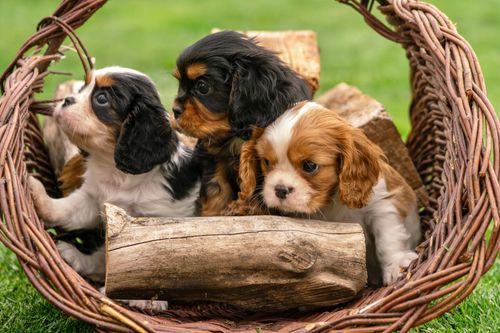
A puppy's arrival is exciting, and the choice of accessories is huge. Between countless bowls, beds, leads and toys you quickly lose the overview and buy either too much or the wrong thing. Yet a puppy needs remarkably little at the start, if that little is well chosen.
This checklist walks you through everything that should be ready before the big day, sorted by importance. You learn what matters for each point and what you can safely save on. That way you enter life together with your new dog relaxed and prepared, without a cupboard full of things you never use.
Sleeping place and retreat
Your puppy needs a quiet, draught-free place to sleep, where it can rest undisturbed. A washable dog bed or a cosy blanket of a suitable size is enough. Do not choose it too big so the little dog feels secure, but with room to grow into.
Many puppies also benefit from an open crate or a fenced-off area as a safe retreat. The key is that this place is positive and never used as a punishment spot. A calm sleeping place is the basis, because puppies need a great deal of sleep to process what they experience.

Bowl and food
Two stable bowls of stainless steel or ceramic for food and water are a good, durable choice, because they are easy to clean and hygienic. A slow-feeder bowl helps dogs that eat too fast. Water should always be available fresh.
Get the same food the puppy had at the breeder first, so as not to burden the stomach further. A change is made later, slowly and in a planned way, as described in the nutrition guide. That way you avoid diarrhoea in the already eventful first days.
Collar, harness and lead
To start with, a light, adjustable collar or a well-fitting puppy harness plus a lead of about two metres are suitable. A harness spares the sensitive spine and windpipe and is often, for young dogs, the gentler choice.
Watch for a good fit with room to grow and check regularly whether it still fits. A long line can help later with recall training. How to build relaxed walking, see the guide to loose-lead walking.
Safe transport
Even the trip from the breeder home should be safe. A suitable transport crate or a tested safety harness with belt adapter protects the puppy and the occupants. Get the dog used to the car slowly and positively, ideally with short, pleasant rides.
A transport crate is also useful at home as a familiar retreat and later at the vet or on trips. The key is that it is well ventilated and correctly sized. The dog should never travel unsecured in the car; that is dangerous for everyone.
Toys and occupation
Puppies explore the world with their mouths and need suitable chew toys that accompany teething and spare the furniture. Robust chews, a soft ball and a tug toy cover the essential needs. Watch for a puppy-appropriate size and materials without swallowable small parts.
Just as important as movement is mental work: a snuffle mat or a simple food-search game engages the puppy mentally and promotes calm. But do not overload it with toys at once; a few rotating toys are more interesting than a full basket.
Basic grooming kit
To start, a brush suited to the coat type, a nail clipper, a mild dog shampoo and soft cloths are enough. Get the puppy used to having its paws, ears and mouth handled early and playfully, so later grooming and vet visits go smoothly.
How to care for coat and paws properly, see the guides to coat care and paw care. A small basic kit is entirely enough; you can add special products as needed later.
Puppy-proofing the home
Before the puppy moves in, secure the home from its perspective. Cables, toxic plants, cleaning products, medicines and swallowable small parts belong out of reach. Secure stairs with a gate, because falls can harm the young joints.
Put away shoes, bags and valuable items so neither the puppy nor your nerves take damage. A clearly fenced-off area for the first while helps the puppy orient itself and makes house-training considerably easier.
The first days and the vet
Think of the papers: vaccination record, purchase contract and details of the current food. Register your dog with the municipality and have the chip registered; this is mandatory in Switzerland. Arrange a first vet appointment early for getting acquainted and a check-up.
Also factor in the ongoing costs and consider taking out dog insurance, especially liability cover. Plan enough time too for the important socialisation in the first weeks.
What you can safely skip
Much of what is offered in shops is dispensable. Expensive designer beds are often chewed before the dog is grown, and mountains of toys overwhelm rather than help. Rather buy few, good things and add as needed.
On clothing, perfumes and snacks in large quantities you can also save. Invest the money instead in quality for safety and nutrition and in a good puppy school. That pays off more in the long run than a full cupboard of accessories.
Frequently asked questions
What is the most important purchase for a puppy? A safe sleeping place and retreat, decent bowls, a suitable harness with lead and safe transport. Everything else can be added gradually.
Collar or harness for the puppy? For young dogs a well-fitting harness is usually the gentler choice, because it spares the windpipe and spine. Both should fit well and not chafe.
How much does the starter kit cost? That depends heavily on quality. With a well-thought-out basic kit it stays manageable; it gets expensive mainly through impulse buys and mountains of toys.
Should I keep feeding the breeder's food? Yes, at least at first. An abrupt food change burdens the stomach. Only change slowly and in a planned way after settling in.