Dog Paw Care: Pads, Nails and Everyday Protection
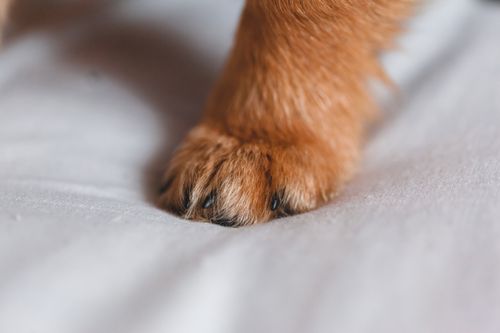
A dog's paws carry it through its whole life: over forest floor, asphalt, snow and gravel. No wonder they have to take a lot. Yet they are often forgotten in grooming, until the dog suddenly limps or licks at a paw. Many problems can be prevented with a short, regular routine.
This guide shows how a healthy paw is built, what to watch for during checks, how to trim nails safely and how to protect the paws from typical dangers in winter and summer. All without special equipment, in a few minutes a week.
Why paw care matters
The paws are in constant use and exposed to many stresses: rough ground, wet, cold, heat and chemicals such as road salt. Small cracks, embedded foreign objects or overly long nails are barely noticeable at first, but can quickly cause pain and change how the dog bears weight.
Looking at and handling the paws regularly lets you spot problems early and at the same time gets the dog used to having its paws handled. That pays off double at the vet, when trimming nails and in daily life. Paw care is therefore not cosmetic, but real health prevention.
Understanding the paw
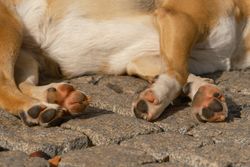
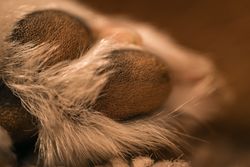
A dog's paw consists of the digital pads, the large metacarpal pad, the nails and the sensitive skin between the toes. The pads are covered with a thick but not indestructible layer of horn that serves as a natural shock absorber and protection. Between the toes many dogs grow hair that can mat and trap dirt or clumps of ice.
The nails grow continuously. Inside each nail runs the so-called quick, an area supplied with blood and nerves. It is the reason you have to be careful when trimming. Knowing the structure helps you look in the right places during checks.
Regular checks: what to watch for
Make the paw check a habit, for example after the walk or during the evening cuddle. Gently spread the toes and look at pads, gaps and nails. Watch for cracks, redness, swelling, foreign objects, matted hair and an unpleasant smell that can point to inflammation.
If the dog licks or nibbles one paw noticeably often, limps or avoids certain surfaces, that is a warning sign. Small issues can often be handled yourself; with deep wounds, strong swelling or persistent lameness the paw belongs in a vet's hands. Our guide to first aid for dogs covers the basics.
Trimming nails correctly
Nails are too long if they touch the ground when the dog stands or clearly click on hard surfaces. Overly long nails change posture, strain the joints and can split. On light nails you can see the blood-supplied quick as a pink area and cut a little before it. On dark nails it is better to shorten in several small steps.
Use a sharp, suitable nail clipper and cut in a calm setting, ideally with treats. If you do not feel confident or a nail is split, let the vet or groomer do it and watch once. Do not forget the dewclaw on the inside, if your dog has one.
Caring for dry and cracked pads
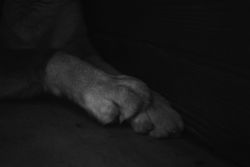
Rough, dry or cracked pads come from hard ground, cold, heat and salt. A small amount of a special paw balm or paw cream for dogs helps keep the horn supple. Rub in a thin layer, ideally when the dog rests afterwards so it does not lick it off right away.
Do not use human products with fragrances or irritants. With very softened pads, dryness and rest help instead. Deep cracks that bleed or become inflamed should be assessed by the vet rather than just creamed.
Winter: road salt and ice
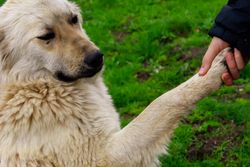
In winter, road salt and grit are the paws' worst enemies. Salt irritates the skin, dries out the pads and stings in small cracks. Clumps of ice between the toes hurt and make the dog limp. Trim the hair between the pads so less ice gets caught there.
Rinse or wipe the paws after every winter walk with lukewarm water and dry them well. A thin paw protector before the walk can shield the pads further. Some dogs also wear boots, which does take getting used to, however.
Summer: hot asphalt
In summer, asphalt in the sun gets so hot it can burn the pads. As a rule, use the back-of-the-hand test: if you cannot hold your hand comfortably on the surface for seven seconds, it is too hot for the paws. Move the walks to the cool morning and evening hours then and stay on grass or forest floor.
Burned pads show as redness, blisters, detached horn and licking. The dog then avoids hard surfaces. Cool the paws carefully and have more serious burns treated by the vet. Caution is also needed in the car and on hot sand.
Foreign objects and small injuries
Grass awns, splinters, small stones, glass and thorns like to lodge between the toes. In summer especially, grass awns are an issue because they can migrate into the skin. After walks in tall grass and in the forest, check specifically between the toes and remove loose foreign objects carefully.
Small, superficial cuts can be cleaned and observed. If a foreign object is deep, the wound bleeds heavily or the paw swells, go to the vet. A bandage on the paw should never be too tight and must stay dry.
Hair between the toes
In dogs with a lot of hair on the paws, the hair between the pads mats easily and pulls on the skin with every step. Dirt, moisture and, in winter, ice collect in the mats, which encourages inflammation. Carefully trim protruding hair with round-tipped scissors level with the pads.
If you do not feel up to it, leave it to the groomer. The rest of the coat care also feeds into paw health, because matted, damp hair generally promotes skin problems. More on this in our guide to dog coat care.
Frequently asked questions
How often do I need to trim the nails? That depends on wear. Dogs with lots of movement on hard ground wear their nails down more. As a rough guide: check every two to four weeks and trim as soon as the nails touch the ground.
Can I use human foot cream on the pads? Better not. Many contain fragrances or active ingredients unsuitable for dogs that would be licked off. Use a product made specifically for dog paws.
Why does my dog constantly lick one paw? This can be due to a foreign object, an injury, an allergy or itching. Check the paw and have persistent licking assessed by the vet.
Does my dog need boots? Usually not. In extreme cold, lots of road salt, very hot asphalt or with injured pads they can be useful, though. Slow habituation is important.