BARF for Dogs: Starting Raw Feeding the Right Way
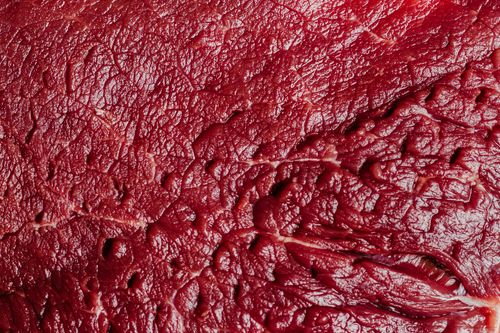
BARF stands for “biologically appropriate raw food” and describes feeding a dog fresh raw meat, organs, bones and a plant portion instead of finished dry or wet food. Many owners choose it because they want to know exactly what goes into the bowl and to tailor the ration to their individual dog.
As sensible as that sounds, BARF is not a free ride. A raw ration is only healthy if it is balanced over time. Feeding only muscle meat risks serious deficiencies in the long run. This guide shows you how to start cleanly and safely, and what really matters.
What belongs in a BARF ration?
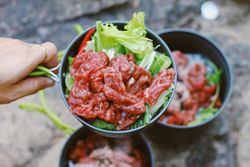
A classic BARF ration for adult dogs consists of an animal and a plant portion. The animal part (roughly 70–80 %) includes muscle meat, organs such as liver and kidney, meaty bones and animal fats. The plant part (roughly 20–30 %) is puréed vegetables and a little fruit, so the nutrients become available.
The smaller building blocks that are often forgotten matter most: organs supply vitamins, bones cover the calcium need, oils provide essential fatty acids. If one is missing long-term, an imbalance develops – so the composition across the week is what counts, not the single meal.
If you would rather not calculate, ready-made BARF menus or supplement mixes already cover the proportions. The core idea stays the same: variety across the week rather than one-sidedness.
The right amount
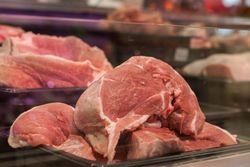
As a rough guide, an adult dog of normal weight receives about 2–3 % of its body weight per day. A 20-kilo dog therefore gets roughly 400–600 grams a day. Active dogs need more, calm or older ones less. How to determine the exact amount and check it on the body is covered in How much food does my dog need?.
This figure is a starting point, not a rule. Watch your dog: if the waist stays visible and the ribs are easy to feel but not see, the amount fits. If it gains weight, beware the consequences of overweight; if it loses, increase in small steps. Puppies and pregnant bitches have completely different needs.
Feeding cleanly and hygienically
Raw meat can contain germs such as salmonella. For a healthy dog this is usually unproblematic, but not for the people in the household: clean worktops, knives and bowls thoroughly after every contact, store meat chilled and do not refreeze thawed meat. In homes with small children, pregnant women or immunocompromised people, take extra care.
Buy food-grade meat from a trustworthy source. Never cook raw bones – cooked bones splinter and can injure the gut. Introduce every new component slowly so digestion can adapt.
Common beginner mistakes
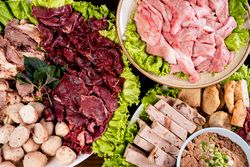
The biggest mistake is one-sided feeding: only muscle meat, no organs, no bones, no oil. Over months this causes calcium, iodine or vitamin deficiencies. The second most common mistake is switching abruptly from finished food to BARF – it overwhelms the gut and often ends in diarrhoea. So plan the transition over one to two weeks.
Bones cause many errors too: too much leads to hard, pale stool and constipation. Start with small portions and increase slowly. If you are unsure, have a ration plan drawn up by a nutrition specialist.
Who is BARF for – and who not?
BARF suits people willing to invest time and care and who enjoy steering the diet themselves. For dogs with certain conditions (such as kidney or pancreas problems) a raw ration is often not ideal and should only be done under veterinary guidance.
If the effort feels too great, a high-quality finished food is not a bad compromise – quality matters, not the principle. An overview of the basics of dog nutrition is in our foundational guide.
The supplements that are often missing
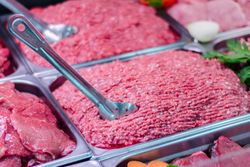
Even a varied meat-and-vegetable mix does not automatically cover everything. Iodine (e.g. from seaweed meal), omega-3 fatty acids (salmon or algae oil) and, depending on the mix, vitamin D or manganese are often missing. You cannot see these gaps in the bowl – they show up after months in coat, skin or bones.
That is why many experienced raw feeders work with a weekly plan rather than by gut feeling. Across seven days, meat, organs, bones, oils and vegetables are spread so the sum adds up. Individual days may look different – what matters is the balance over the week.
To be completely sure, have the ration calculated once by an animal-nutrition specialist. It costs little but prevents exactly the creeping deficiencies that give BARF a bad name. You then have a reference template to follow long-term.
These foods do not belong in the bowl
Even with fresh feeding: not everything that is healthy for us agrees with the dog. Onion and garlic, grapes and raisins, avocado, chocolate, alcohol and the sweetener xylitol are toxic to dogs and have no place in any ration – a detailed overview is in the guide toxic foods.
Raw pork calls for special caution: it can transmit the Aujeszky virus, fatal to dogs, and is therefore avoided in BARF. Raw poultry is unproblematic as long as hygiene is right. Vegetables are used better puréed or lightly steamed than whole.
Also keep an eye on the amount of liver: valuable, but problematic in large amounts due to its high vitamin A content. As so often with BARF, the rule is balance – the right dose is what turns a good food into a healthy one.
Frequently asked questions
Is BARF dangerous? With careful hygiene and a balanced composition, BARF is a recognised way of feeding healthy dogs. It becomes risky mainly through lasting one-sidedness and cooked bones.
Can I feed BARF partially? Yes, many feed a mix of finished food and fresh components. Keep an eye on the total amount so your dog does not gain weight.
Do puppies need a special ration? Yes. During growth puppies have a very precise need for calcium and energy. A professionally calculated ration is especially important here.