Puppy Adolescence: Understanding and Surviving the Teenage Phase
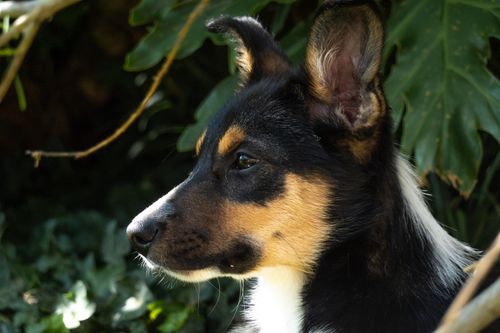
A moment ago the puppy was still affectionate and eager to learn, and suddenly it seems transformed: the recall no longer works, it pulls on the lead, and the simplest signals are ignored. Many owners wonder what they did wrong. The answer is usually reassuring: nothing. The dog is in adolescence.
This phase is exhausting, but entirely normal and temporary. Anyone who understands what is going on in the young dog's head can react more calmly and even strengthen the relationship. This guide explains when adolescence begins, why behaviour changes and how to accompany your dog well through this time.
When adolescence begins
The onset of adolescence depends on breed and size. Roughly, it begins in many dogs between the sixth and twelfth month and can drag on well into the second year of life. Small breeds are often earlier, large breeds later and take longer to become adult. Even within a breed there are large individual differences, so no rigid timetable can be set up and looking at the individual dog matters more than any table.
Adolescence is not a short episode but a longer process with ups and downs. There are days when everything works and others when the dog seems beside itself. These fluctuations are part of the normal course and no cause for concern. Plan for this time consciously and do not expect linear progress, because two steps forward and one back are the rule rather than the exception here.

What happens in the head
During adolescence the dog's brain is literally rebuilt. Connections are reordered, hormones change and impulse control is temporarily poorer. The dog is more easily distracted, reacts more intensely to stimuli and can recall what it has learned less well in the short term.
This explains why a still-reliable signal suddenly falls flat. It is not disobedience out of malice, but a consequence of the rebuilding work in the head. Anyone who knows this takes the setbacks less personally and stays more patient in training. Your dog is not provoking you but wrestling with a body and a head that are changing greatly right now, and it depends on your calm.

Typical behaviour changes
Common manifestations include selective hearing, testing limits, greater distractibility, increased interest in other dogs and the environment, and sometimes new insecurities or fears. Even an already reliable recall can temporarily deteriorate.
Some dogs become more clingy, others more distant. The important thing is to know that these changes are temporary. Keep at the training without despairing, because most of it settles back down at the end of adolescence. Many owners report in hindsight that it was precisely the teenage phase they got through together that strengthened the bond, because they went through a hard time as a team.

Why the learning seems gone
It feels as if the dog has forgotten everything, yet what it learned is not gone. Under the influence of hormones and distraction it is only harder to recall. Anyone who panics now or cracks down harder risks damaging the trust.
It is more sensible to lower the demands temporarily and practise in easier situations where the dog can succeed. That way you keep the signals alive without producing constant failures. After adolescence the learning consolidates again.

Keeping calm
The most important advice for this phase is: stay calm and consistent, but not harsh. Your young dog now needs a reliable, self-assured human, not one who becomes loud or unfair at every setback. Conflicts at any price do more harm than good.
Avoid situations that predictably go wrong rather than forcing them. Secure the dog with a long line rather than risking a failed recall. Patience and a friendly, clear manner carry you and your dog through this time.
Training during adolescence
Keep training, but cleverly: short, positive sessions, a high reward rate and lots of practice in easy contexts. Consolidate the basics rather than constantly demanding something new. Consistency on the important rules gives the dog orientation and security.
It is right now that solid foundation work pays off. Refresh the recall in a low-stimulus environment and work on relaxed loose-lead walking. How to build signals cleanly, see the guide to dog training.
Neutering is not a cure-all
Many hope that neutering would end the exhausting adolescence. It is not that simple. Neutering intervenes in the hormonal balance and can influence behaviour, but it is not a switch that closes training gaps or heals insecurities. Fearful behaviour can even intensify.
Such a decision should never be made on impulse or as a mere reaction to adolescence, but well considered and with veterinary advice. The pros and cons are summarised in the guide to neutering.
Exercise, rest and limits
Young dogs are full of energy, but still also need a great deal of sleep and rest to regenerate the rebuilt brain. A balanced ratio of physical exercise, mental work and real rest phases prevents over-arousal and frustration.
Set clear, fair limits and hold them calmly. Limits give the dog support, precisely when much is in motion inside it. Anyone who offers structure and reliability eases the dog's path to adulthood. At the end of this phase there is usually a balanced, self-assured adult dog in which you recognise your early puppy again, only calmer and steadier.
Frequently asked questions
How long does adolescence last in dogs? This is individual. It often begins between the sixth and twelfth month and can drag on into the second year of life. Large breeds usually take longer.
My dog suddenly stops listening, what should I do? Stay calm, lower the demands, practise in easy situations and secure the dog in critical moments. The learning comes back after adolescence.
Does neutering help against adolescent behaviour? Not reliably. Neutering is no substitute for training and can even intensify insecurities. Only decide after veterinary advice.
Should I become stricter during adolescence? Consistent yes, harsh no. Harshness damages trust. Clear, fair limits and lots of patience are the better way.