Ear Infections in Dogs: Signs, Ear Care and When to See the Vet
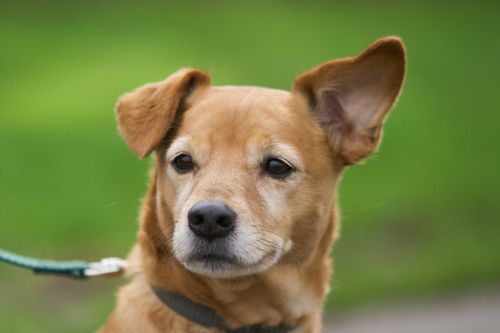
The dog shakes its head, scratches at its ear, holds it at a tilt – and a strong smell rises from it: many owners know these signs, because ear infections are among the most common complaints in dogs. In medical terms this is called otitis externa, an inflammation of the outer ear canal. It is uncomfortable to painful for the dog, and it almost always has a cause that must be found – only then can it be treated effectively and, more importantly, prevented in the future.
In this guide we look calmly at how to recognise an ear infection, how it comes about in the first place, which dogs are especially prone to it and how to care for the ears properly without overdoing it. Above all, we explain why, with any ear problem, the path always leads to the vet – and why you should never experiment on your own with drops or home remedies.
How to Recognise an Ear Infection
The most striking sign is frequent head shaking: the dog tries to get rid of the unpleasant feeling in its ear, as if something had got inside. Vigorous scratching at the ear often comes with it, and many dogs hold their head tilted to one side. Some rub the ear on the floor, the carpet or furniture to get relief.
Another clear warning signal is the smell. An inflamed ear gives off a strong, unpleasant odour, often sweetish. If you look inside, the ear may be red and swollen, and there is often a brown or yellowish discharge, or an excess of earwax. The ear is usually sensitive to the touch – the dog flinches or yelps when you touch it, because it hurts. In severe or long-standing cases even the hearing can be impaired. As soon as you notice one of these signs, you should look more closely – and act.
How an Ear Infection Comes About
An ear infection does not come out of nowhere: it always has a trigger, and often several act together. A very common factor is moisture. If water stays in the ear canal after a bath or a swim, a warm, moist climate develops in which germs thrive. This is often called "swimmer's ear". Our article on bathing and swimming explains how to wash your dog while protecting its ears.
The most common cause of chronic or recurring ear infections, however, is allergies – for example to food components or environmental substances. They make the skin in the ear more vulnerable, so that inflammations keep developing. Other possible triggers include ear mites, which occur especially in young dogs (more on this in our puppy checklist), as well as foreign bodies – in summer these are often grass awns, the sharp seed heads of grasses that bore into the ear during a walk. Bacteria and yeasts (Malassezia) are frequently involved too; they multiply all the more easily in a warm, moist ear.
Which Dogs Are Especially at Risk
Whether a dog is prone to ear infections also depends on its build. Dogs with narrow or very hairy ear canals are at a disadvantage, because air and secretions drain less well. And dogs with long floppy ears carry their ear like a lid over the canal: underneath it is warm and moist, the air barely circulates – ideal conditions for inflammation. Among the more susceptible breeds are the Cocker Spaniel, the Labrador, the Poodle and the Basset.
For very hairy ears it can help to keep the hair in the canal short, neatly and regularly, so that more air reaches the ear. Whether and how this makes sense for your dog is best discussed with your vet or a dog groomer – because improper plucking can also irritate the skin.

Cleaning the Ears Properly – and When Not To
Healthy dog ears do not need daily cleaning – on the contrary: cleaning too much does more harm than good, because it disturbs the natural protective film. So clean the ears only when they are visibly dirty, and do not overdo it.
And when you do clean, do it right. Use only a suitable ear cleaner for dogs, never alcohol, oil or other home remedies. Crucially: do not use cotton buds and do not push anything deep into the canal. Cotton buds only push the dirt further inside and can, in the worst case, injure the eardrum. Clean only the visible, outer part of the ear – with the cleaner and a soft cloth or a cotton pad. And after swimming or bathing, gently dab the ears dry so that no moisture is left behind.
Look and Sniff Regularly
The best prevention is a calm, regular look inside the ear. Get your dog used from an early age to having its ears lifted and looked into – ideally combined with praise and a treat. A healthy ear is pale pink inside, clean, and smells neutral. During the check, watch for redness, swelling, dark discharge and above all the smell: an ear that smells strong is almost always an early sign. Especially in floppy-eared breeds, this brief check once or twice a week lets you notice problems early, before they take hold.

When You Must See the Vet
And here comes the most important point of this guide: at any sign of inflammation the dog belongs at the vet – not only once it is visibly suffering. Only the vet can determine what is triggering the inflammation and check, with an otoscope, that the eardrum is intact. This is decisive, because certain treatments must not be used when the eardrum is damaged.
That is why: never treat on your own. Do not reach for drops left over from a previous time, nor another dog's drops, nor home remedies. What helped last time may be the wrong choice today – the cause may be an entirely different one – and in the worst case you make the inflammation worse. It is for the vet alone to decide on the treatment, once the cause has been established. You can find a vet practice near you in our directory.
When the Inflammation Keeps Coming Back
Some dogs have one ear problem after another: no sooner has one inflammation healed than the next begins. In such cases it is not enough to keep treating only the acute inflammation – you have to find and address the underlying cause. Very often, as mentioned, an allergy is behind it. Once it is recognised and managed, the ears often settle down markedly.
This sometimes takes a little patience and a thorough workup at the vet, but it is worth it: your dog is freed from the tiresome head shaking and itching, and you break the cycle of recurring inflammations. With attentive observation, moderate care and the right professional help, your dog's ears stay healthy – and it can keep exploring and hearing the world with a light heart.
Note: this guide offers general orientation and does not replace a veterinary examination or advice. If your dog has a health problem or in an emergency, please consult your vet.