Grain-Free Dog Food: Sensible or Just Marketing?
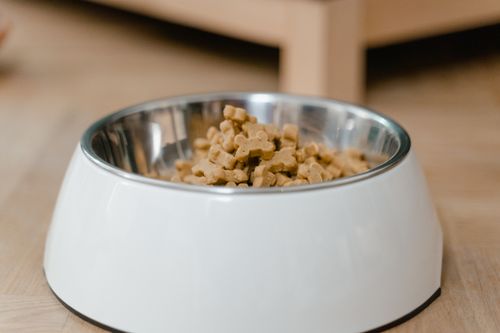
Few words appear on food bags as often as “grain-free”. It creates the feeling of giving your dog something especially natural and healthy. But as so often in marketing, a second look pays off: grain-free is not automatically better – and in certain cases it even carries risks.
In this guide we soberly examine what “grain-free” really means, where the trend comes from, which dogs it actually suits and what the current debate about possible heart problems has to do with it. That way you can make an informed decision rather than one based on an advertising promise alone.
What “grain-free” actually means
Grain-free simply means the food contains no grain such as wheat, corn or rice. The carbohydrates then come from other sources – often potatoes, sweet potatoes, peas or legumes. Important to understand: grain-free does not mean low in carbohydrates. Many grain-free foods contain just as many carbohydrates as conventional ones.
So the term says nothing about the quality of the food. A grain-free food can be high quality or poor – what matters is the overall composition, not the absence of grain alone. This is exactly where marketing steps in: it sells an omission as added value.
Where the trend comes from
The grain-free trend spilled over from human nutrition to dogs, where “gluten-free” and “low carb” became popular. Applied to the dog, the idea arose that grain is a cheap filler and hard to digest – after all, the dog descends from the wolf.
This story is as appealing as it is inaccurate. The domestic dog has adapted over millennia to human food and digests starch from grain very well – unlike the wolf. Grain is well tolerated by the vast majority of dogs and provides useful energy, fibre and nutrients.
When grain-free really makes sense
Some dogs do benefit from grain-free food: those with a proven intolerance to a specific grain. Such genuine food allergies are rare, however, and more often than grain it is animal proteins like beef or chicken that trigger them. More on this in the guide Allergies in dogs.
A suspected intolerance belongs in the veterinary practice, where a structured elimination diet finds the real cause. Switching to grain-free on suspicion alone usually achieves nothing – except the feeling of having done something.
The debate about heart problems
For some years, experts have been investigating a possible link between certain grain-free foods and a heart disease, dilated cardiomyopathy (DCM). Under particular suspicion are foods with a high proportion of legumes such as peas and lentils as a grain substitute.
A definitive causal proof is still lacking scientifically, and the data keeps developing. That is exactly why caution is warranted: anyone feeding grain-free should choose a balanced food from a reputable manufacturer and raise the topic at the annual check-up. Blind trust in a label is out of place here.
How to recognise good food
Rather than fixating on single buzzwords, look at the overall composition: a clearly declared, high-quality protein source at the top, traceable ingredients, no vague catch-all terms. A good food fully covers the nutritional needs – that matters more than the grain-free question.
Go by your actual dog: if it tolerates its food well, has a shiny coat, firm digestion and a stable weight, then it fits – regardless of marketing. The basics are in the guide dog nutrition and for the amount in How much food does my dog need?.
Our conclusion
Grain-free is neither a seal of quality nor a bogeyman. For the vast majority of healthy dogs, well-tolerated grain is perfectly fine and not a cheap filler. Cutting it out only makes sense with a proven intolerance – and then in a targeted way, not on suspicion.
More important than the word on the packaging is the quality behind it. Do not be guided by a single slogan, but by the composition, your dog’s well-being and your vet’s advice. That way you make a decision that truly does your dog good.
Carbohydrates: what the dog needs them for
In the grain debate it is often forgotten that carbohydrates are by no means superfluous for the dog. They provide readily available energy and, with fibre, support a healthy gut flora and regular digestion. Whether these carbohydrates come from rice, potato or peas is secondary for the dog – what matters is that they are well digestible and tolerated.
Compared with the wolf, the domestic dog has extra genes that help it digest starch. This adaptation is one result of millennia of evolution alongside humans. Dismissing grain wholesale as “unnatural” therefore falls short and does not do justice to the biology of the modern dog. What counts, as always, is the right measure and the quality of the ingredients.
If you choose grain-free
There are good reasons to consciously choose a grain-free food – an intolerance diagnosed by the vet, or simply the experience that your dog visibly does better on it. In that case, pay particular attention to the composition and choose a product that fully covers the nutritional needs without relying excessively on legumes.
Watch your dog closely after the switch: coat, digestion, energy and weight are good indicators. Take your time with the transition and introduce the new food slowly so digestion can adapt – how to do this gently is covered in the guide Diarrhoea in dogs. If in doubt, the veterinary practice is the best place to turn.
Frequently asked questions
Is grain a cheap filler? No, that is a myth. Grain provides energy, fibre and nutrients and is well tolerated by most dogs.
My dog scratches – does grain-free help? Only if a grain is actually the trigger, which is rare. Itching should be investigated by a vet rather than treated on suspicion with a food change.
Is grain-free dangerous? Not in itself. The debate mainly concerns foods very high in legumes. Choosing a balanced product from a reputable manufacturer is the safe route.
What about grain-free treats? No problem in small amounts. But they count toward the daily ration and should not blow the overall balance.