Fear of Fireworks: How to Help Your Dog on 1 August
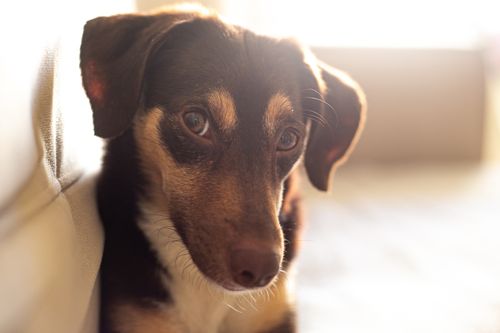
For many dogs, 1 August and New Year's Eve are among the hardest nights of the year – and anyone living in Geneva knows this already from the Escalade in December. Dogs hear many times better than we do. What is a festive crackle in the sky for us hits the dog as sudden, unpredictable noise it cannot escape. Add to that glaring flashes, the smell of burnt powder and the vibration in the air. This is not a question of training or a sign of being spoilt, but genuine noise anxiety. And it has an unpleasant trait: left untreated, it usually gets worse over the years rather than better. That is exactly why it pays to act early – with the right preparation you can noticeably ease these evenings for your dog.
Why fireworks are so distressing
For a dog, fireworks are above all one thing: unpredictable. It does not understand where the bangs come from, when the next one will follow or why any of it is happening at all. It cannot flee, hiding only helps up to a point, and its keen hearing makes every blast twice as forceful. No wonder so many dogs panic.
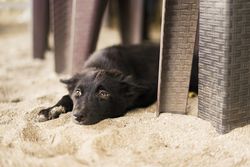
How to recognise real fear: the dog trembles, pants, drools heavily, paces restlessly or suddenly clings to you. Some crawl under the sofa, others try to dig themselves in somewhere or get out of the flat. If it stops eating and barely responds to you any more, it is under great stress. And no, this is not disobedience you would need to train away, but a fear to be taken seriously – one you can get well under control as soon as you take it seriously.
Days before: well prepared is half the battle
Most of the work happens not on 1 August, but in the days beforehand. If you are prepared, you will hardly need to improvise on the evening itself.
A safe retreat
Set up a den for your dog to retreat to: an open transport crate, the space under the bed or an interior room without windows. Put familiar blankets inside, along with something that smells of you or of home, and a bowl of water. It is important that this spot exists days in advance and that it is given positive associations – feed there, offer a chew toy there, let your dog discover it in peace. But never shut it in: the retreat must stay open so your dog can decide for itself whether to go in or out.
Microchip, AMICUS and ID tag
On these nights an especially large number of dogs bolt – a single bang is enough. So check in good time whether the microchip and AMICUS registration are up to date, and hang an ID tag on the collar. A correct entry and your phone number directly on the dog hugely increase the chance of a quick reunion. Also have a recent photo ready in case you have to launch a search appeal at short notice.
For moderate to severe fear: talk to your vet
If your dog is truly suffering, this belongs in expert hands. Modern, well-tolerated anti-anxiety medications can achieve a great deal – they take the panic away from the dog rather than simply sedating it. But they need lead time: the vet wants to know the dog, set the dose individually and sometimes do a trial run beforehand. So see to it early, not just on 31 July. Steer clear of old sedatives and of preparations from the home medicine cabinet: some only immobilise the dog while the fear keeps running on the inside – a nightmare for it.
Aids for milder cases
If the fear is on the milder side, supportive aids can help a little: a pheromone diffuser (e.g. Adaptil), a close-fitting body wrap (e.g. Thundershirt) or calming food supplements. Do not expect miracles – the effect is usually modest and, in cases of severe fear, is no substitute for veterinary treatment. As one building block alongside a retreat and a calm environment, though, they are worth a try.
Long term: noise training
The most lasting approach is targeted noise training, known as desensitisation. Over several weeks you play recordings of fireworks or thunderstorms – at first so quietly that your dog barely reacts, and always paired with something nice such as food or play. Very slowly you turn the volume up, only ever as far as your dog stays relaxed. This takes patience and, ideally, the guidance of a dog school or behaviour consultant. And it is a strong argument for starting as early as puppyhood: getting young dogs used to everyday noises early and positively prevents a great deal.

On 1 August itself
When the big day arrives, a calm plan for the day helps:
- A long walk in daylight: Take an extensive walk early, while it is still light and quiet. A well-exercised dog is calmer in the evening and sleeps more easily.
- Feed earlier: Give dinner well before dusk. Once the stress sets in, hardly any dog will eat anything.
- Last walk before dusk – on the lead: even in your own garden. A single unexpected bang can send even an otherwise reliable dog fleeing. On this evening the lead is your insurance.
- Stay home: Do not leave your anxious dog alone on this evening. Your calm presence is the best thing you can offer it.
During the fireworks: what really helps
When it kicks off outside, indoors it is all about keeping the noise down and the mood calm:
- Darken and dampen: Close windows, shutters and curtains. That takes some of the force out of the bangs and blocks out the flashes of light.
- Background noise on: Radio, TV or calm music lay over the sounds from outside and make the bangs less sharp.
- Stay calm yourself: Your dog reads you like a book. Behave as normally as possible, speak in your usual tone, stick to your evening routine.
- Comforting is allowed: The old myth that affection reinforces fear is simply wrong. An emotion cannot be trained into a dog – if your closeness, a stroke or calm reassurance soothes your dog, then give it exactly that.
- Let it hide: Let it seek shelter wherever it wants and do not force it to do anything. Do not drag it out of its hiding place.
- Offer distraction – without pressure: A search game or a particularly good chew toy can help, as long as your dog is still receptive at all. If it does not respond, leave it and simply stay there.
What you should avoid
- Taking your dog to the fireworks or into town – for an anxious dog that is sheer sensory overload.
- Scolding or punishing it when it trembles, barks or hides. Fear cannot be told off, and doing so only makes it bigger.
- Leaving it alone even though you know it is afraid.
- Pitying it excessively and fussing over it nervously. Hectic behaviour unsettles it further – calm, genuine presence works better.
If your dog bolts anyway
Despite all precautions, it can happen. Then the rule is: stay calm and go about it systematically. First search the familiar places and hiding spots in the immediate area – many dogs do not go far at all. Inform neighbours, shelters and the police, report your dog as missing on AMICUS and call the vets and emergency practices in the region in case it is found and brought in. A recent photo and correct chip and address details speed up every return. That is exactly why the check beforehand is worth it.
Fireworks in Switzerland: the situation is changing
There is quite a bit of movement around private fireworks. More and more municipalities are restricting them or banning them entirely, and on 29 November 2026 Switzerland votes on the fireworks initiative, which calls for far-reaching restrictions on the sale and setting off of noise-intensive fireworks. On top of that, dry summers bring short-notice fireworks bans because of the fire risk. In concrete terms for you: before 1 August, check which rules apply in your municipality. It may well be quieter where you are than it used to be.
When you should get help
If your dog panics every year, injures itself while fleeing, cannot settle for days or the fear gets worse from year to year, then do not wait any longer. Noise anxiety is very treatable, but it rarely disappears on its own – and the earlier you bring in a vet or a behaviour consultant, the better the chances. You do not have to solve this alone, and your dog does not have to endure these nights year after year.
You will find more for everyday life with a dog here: vets and services in your canton, quiet places to walk across Switzerland and – for the perfect start to a dog's life – our puppy checklist, which already takes early habituation to noise into account.
Note: this guide offers general orientation and does not replace a veterinary examination or advice. If your dog has a health problem or in an emergency, please consult your vet.