Italian Greyhound
🧠 Temperament & character
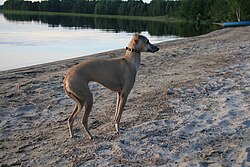
Affectionate, sensitive and entirely fixated on its family – that is the best way to describe the nature of the Italian Greyhound. It constantly seeks physical contact, likes best to snuggle under the blanket and reacts very sensitively to loud words or hectic activity. In the house it is calm and cuddly, but outdoors the sighthound in it awakens: it dashes off with astonishing speed and follows its pronounced hunting drive. Towards strangers it is often reserved, but in familiar surroundings playful and lively.
📜 Origin & history
The Italian Greyhound is one of the oldest companion dogs in Europe; similar miniature sighthounds can already be found in depictions from ancient Egypt and Roman antiquity. In the Italian Renaissance it became a coveted favourite at the princely courts and is immortalised in numerous paintings by old masters. European royal houses too kept the dainty sighthound as an exclusive lapdog for centuries. Its purpose was always that of a loyal companion – a pure luxury and companion dog.
✂️ Grooming, care & training
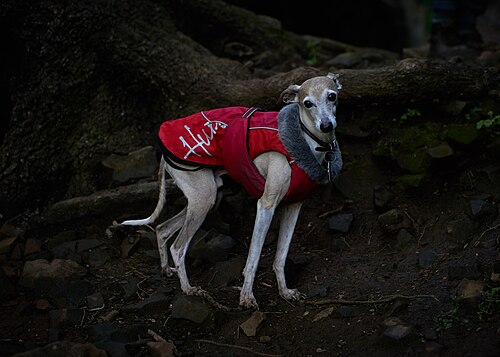
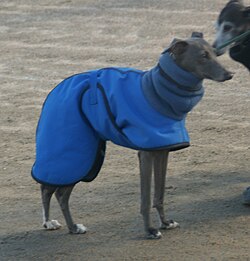
The Italian Greyhound's short, silky coat is extremely easy to care for and needs hardly more than occasional wiping down. Because it has practically no undercoat and little body fat, it gets cold quickly – in the Swiss winter a coat is almost a must on walks. Despite its daintiness it is a true sighthound and needs daily exercise, preferably with the chance to sprint freely on secured terrain. It is intelligent and eager to learn, but responds only to gentle, patient training; harshness frightens it. House-training can require a little more patience with this breed.
🩺 Health
At around 13 to 15 years the Italian Greyhound reaches an age that is typically high for its size. Its greatest health risk is bone fractures of the fine legs, especially in the first year of life – here particular caution is needed when romping and jumping. Like many small breeds it also tends towards tartar and early tooth loss, which is why regular dental care is important. Reputable breeders examine their animals for eye diseases such as PRA as well as for patellar luxation and, because of the sighthound-typical anaesthesia sensitivity, make sure to use an experienced vet.
🏡 Who is this breed right for?
The Italian Greyhound fits well into calm households, including an apartment, provided it gets daily exercise and plenty of closeness. For families with very small, wild children it is less suitable because of its fragility, whereas it gets on splendidly with considerate older children. As a first dog it is quite conceivable, but requires sensitivity and understanding for its sensitive nature. Anyone looking for an affectionate, uncomplicated city companion that needs little space and is nevertheless athletic will find in it an ideal partner.