Löwchen
🧠 Temperament & character
The Löwchen is lively, clever and decidedly cheerful, without seeming nervous. He loves the closeness of his people and attaches himself closely to the family, but also shows himself to be self-confident and brave. Towards strangers he is mostly open, and usually gets on with other dogs. His attentiveness makes him a small but alert announcer at the door.
📜 Origin & history
The Löwchen is a very old European breed whose lion-like clipped representatives already appear in paintings and tapestries of the Renaissance. For centuries he was a popular lap and companion dog at the courts and in the houses of the nobility, above all in France, Spain and Germany. After the Second World War the breed was almost extinct and was at times regarded as the rarest dog in the world. It is thanks to dedicated breeders that the Löwchen exists again today, albeit in small numbers.
✂️ Grooming, care & training
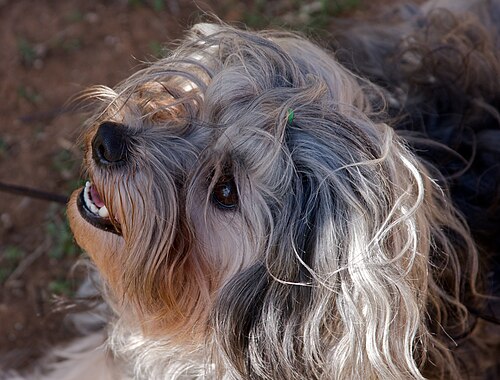
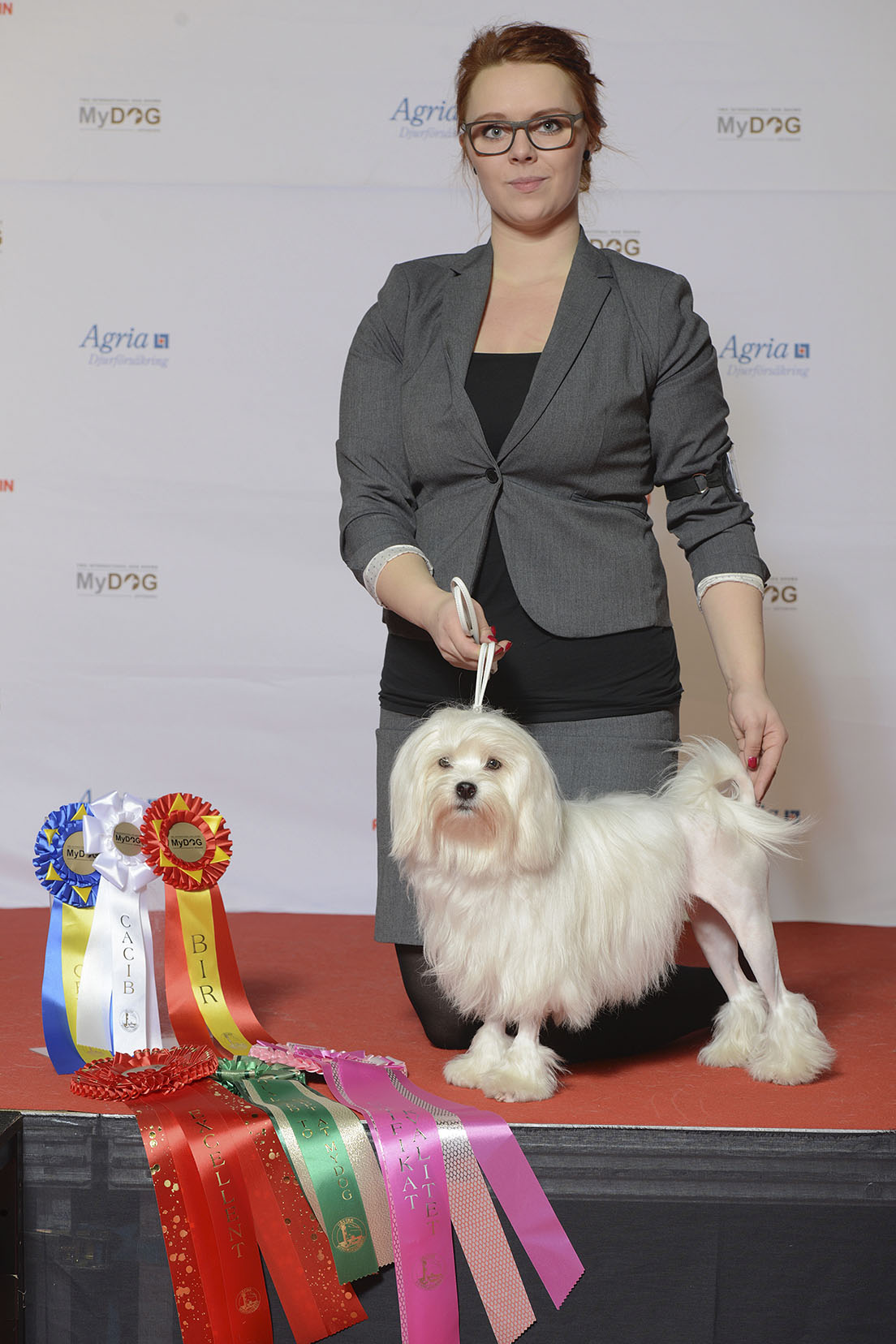
The Löwchen's long, silky hair has no dense undercoat and sheds little, but must be brushed regularly to prevent matting. Anyone who wants the classic lion clip should schedule an appointment with the dog groomer every few weeks. As a clever and teachable dog, the Löwchen learns quickly and enjoys occupation, little tricks and dog sports such as agility in the small class. His need for exercise is moderate, but mental activity and loving, consistent training are important to him.
🩺 Health
The Löwchen is considered a robust and mostly healthy breed with a life expectancy of around thirteen to fifteen years. Occasionally patellar luxation (dislocation of the kneecap) and eye diseases such as PRA (progressive retinal atrophy) and cataract occur. Reputable breeders have the parent animals' knee joints and eyes examined and pay attention to a broad genetic base, which is especially important in such a small population. As with all small dogs, one should also pay attention to healthy teeth and a good body weight.
🏡 Who is this breed right for?
The Löwchen is an excellent match for families, active seniors and also first-time owners who are looking for an adaptable, friendly companion. He feels just as comfortable in an apartment as in a house with a garden, provided he gets enough company and occupation. He gets on well with children when they learn to treat the little dog respectfully. In Switzerland he is an ideal city dog who travels along to the café, on the tram and to the holiday apartment without any trouble, but does not like to be left alone for long.