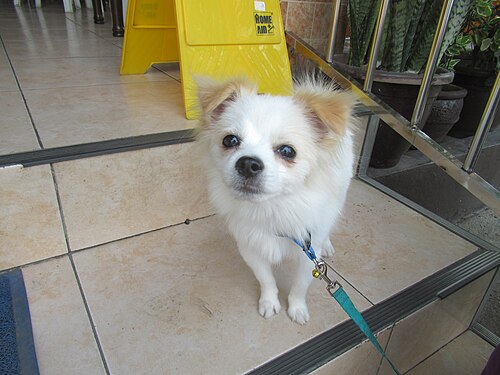
Pomeranian
🧠 Temperament & character
The Pomeranian is lively, brave and attentive, very affectionate and at the same time astonishingly self-assured for his small size. He bonds closely with his people, is cuddly and wants to be part of everything, but is often watchful and vocal towards strangers. As a typical Spitz he tends to bark, which should be guided into calm channels early on so that the little guardian does not become a constant yapper. With children and other dogs he gets on well if well socialised, though because of his fragility he should be protected from overly rough play. He is intelligent and eager to learn and loves to shine with little tricks and tasks.
📜 Origin & history
The Pomeranian is descended from the larger northern European Spitz dogs that once served as guard and herding dogs, above all from the historical region of Pomerania, from which the name Pomeranian derives. Over time the breed was deliberately made smaller and bred into an elegant companion dog. It gained great popularity in the 19th century, when Queen Victoria of England took a liking to small Pomeranians and contributed significantly to their further reduction in size and their spread. From this courtly interest developed today's Pomeranian, which ranks among the most popular small companion dogs worldwide.
✂️ Grooming, care & training
The Pomeranian's double, stand-off coat with its dense undercoat looks demanding and needs regular brushing several times a week to keep it airy and free of knots; he should never be shaved down. During the moult he sheds more heavily and then needs more frequent brushing. In terms of exercise he is active despite his size and enjoys daily walks, play and mental stimulation such as little tricks, though he should not be treated as a fragile toy. Also important are regular dental care, friendly training against excessive barking started early, and protection from overheating in the dense coat.
🩺 Health
With good care the Pomeranian can live to a great age, often 12 to 16 years, but as a small breed he has some typical weak points. Common are patellar luxation (dislocation of the kneecap), dental problems, tracheal collapse (a weakness of the windpipe that can cause coughing), and the coat disorder Alopecia X, in which the coat partially falls out. Responsible breeders pay attention to healthy knees and a correct set of teeth and avoid extreme miniaturisation, which can bring further problems. Regular dental care, weight control and the use of a harness instead of a collar help to protect the health of this small dog.
🏡 Who is this breed right for?
The Pomeranian suits people and families looking for an affectionate, lively little companion with plenty of character who are happy to give him closeness. Thanks to his size he is excellently suited to apartment and city life, provided his barking behaviour is guided early and one does not shy away from the coat care. He is well suited to beginners, but despite his cuteness should be raised as a proper dog and not pampered. In households with very small children caution is advised because of his fragility; in Switzerland he is a popular, easily integrated family and companion dog for active as well as calmer owners.