Xoloitzcuintle
🧠 Temperament & character
The Xoloitzcuintle is calm, attentive and loyal, intelligent and deeply devoted to his family, while showing himself reserved and wait-and-see towards strangers. He is a sensitive, balanced dog who seeks a close bond and responds sensitively to moods, yet is less intrusive than many other breeds. With familiar children and other dogs he usually gets on well, provided he was socialised early and gently. He has a watchful nature and announces the unusual without becoming a constant barker. Overall he radiates a calm dignity and is a pleasant, unobtrusive companion.
📜 Origin & history
The Xoloitzcuintle is an ancient dog of Mesoamerica whose name derives from the Aztec god Xolotl and the word 'itzcuintli' for dog. The Aztecs and other cultures venerated him as a sacred animal that accompanied the deceased on their way to the underworld Mictlan, and attributed healing powers to his warm skin. After the Spanish conquest the breed nearly disappeared but survived in remote regions of Mexico. In the 20th century it was deliberately preserved and promoted, among others by artists such as Frida Kahlo and Diego Rivera; today the Xolo is the official national dog of Mexico.
✂️ Grooming, care & training
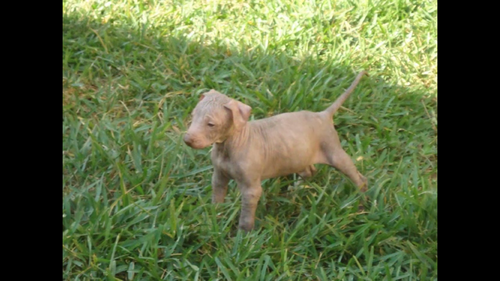
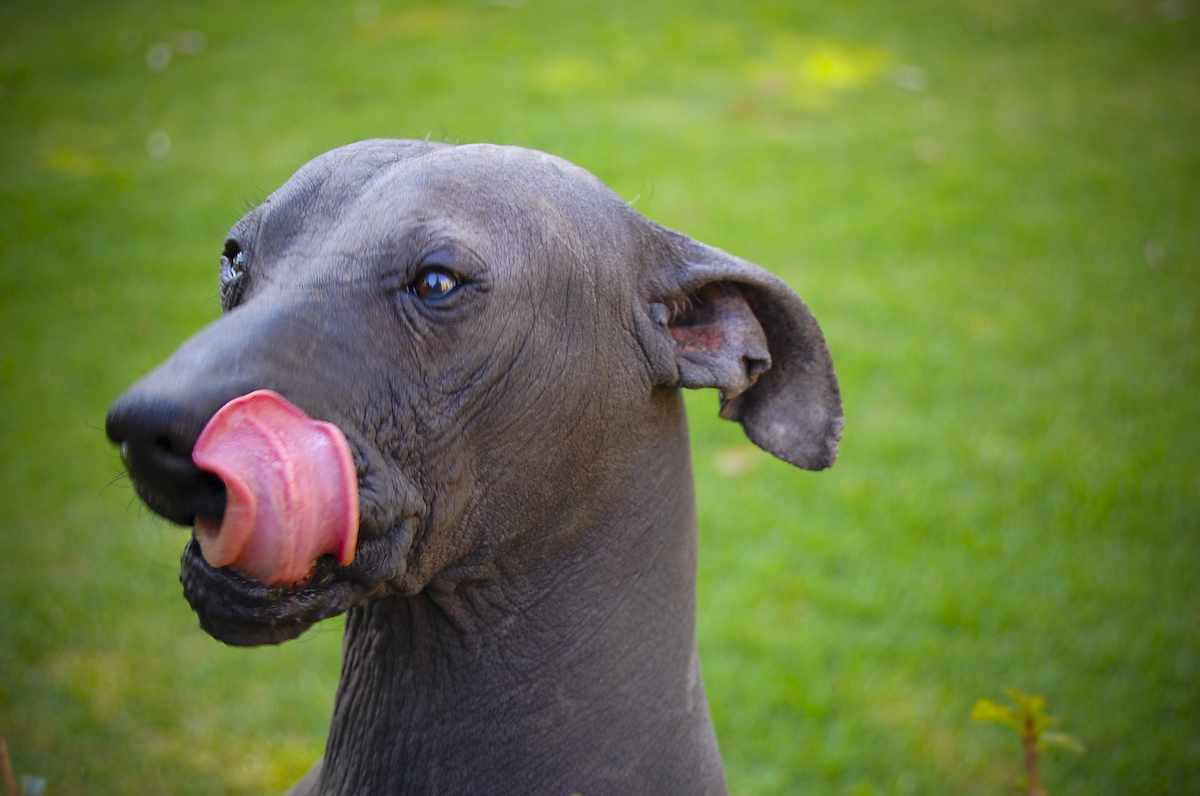
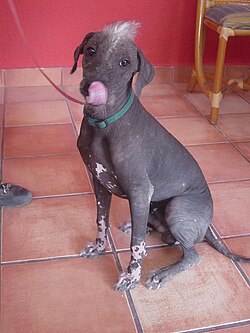
With the hairless variety the classic coat care is dispensed with, but the bare skin needs attention: regular gentle cleaning, sun protection in summer and a coat in winter to keep it healthy. The coated variety, which can occur in the same litters, has a short coat and is particularly easy to care for. In terms of exercise the Xolo is moderately demanding and enjoys daily walks, play and mental occupation without being a high-performance athlete. He is intelligent and eager to learn but sensitive, which is why calm, friendly and consistent training works best; rough methods unsettle him.
🩺 Health
The Xoloitzcuintle is considered a remarkably healthy, original breed with a pleasingly long life expectancy of around 13 to 18 years. The hairlessness gene means that the hairless variety frequently has an incomplete set of teeth with missing teeth, which is, however, mostly unproblematic. The sensitive skin can be prone to sunburn, acne or dryness if care is lacking, which is why protection and care are important. Responsible breeders never mate two hairless animals with each other, since this combination is genetically problematic, and pay attention to healthy, temperamentally steady puppies.
🏡 Who is this breed right for?
The Xoloitzcuintle suits calm, sensitive people and families who appreciate a close, dignified companion and are prepared to look after his special skin. He is suitable for families with older, respectful children and, thanks to his calmness and cleanliness, can also live well in an apartment. For allergy sufferers the hairless variety is of interest, even though no dog is completely allergen-free. In Switzerland he is still rare; anyone deciding on him should budget for a coat for cold days, avoid draughts and intense sun and choose a reputable breeder with experience in this extraordinary breed.