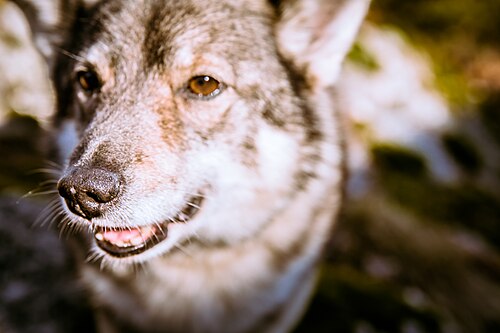
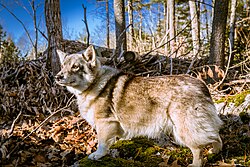
Swedish Vallhund
🧠 Temperament & character
The Swedish Vallhund is energetic, fearless and attentive, while being friendly, affectionate and an alert guardian. As a droving dog it is very vocal and likes to report everything it notices, which calls for training towards calmness. It is intelligent, eager to learn and work-willing, which is why it loves mental work and tasks and quickly grasps new things. It usually gets on well with children and other dogs and is a cheerful, sociable family dog. Its herding drive can show in everyday life, for example by liking to 'nip' or control movement, which should be gently trained out of it.
📜 Origin & history
The Swedish Vallhund is one of the oldest Swedish breeds and has been kept in Västergötland since the Viking Age as a droving and farm dog for cattle, which is why it bears the nickname 'Viking dog'. With its short legs it could nimbly nip at the cattle's heels while dodging kicks; it also kept farms free of vermin and reported intruders. There is much discussion about its resemblance to the Welsh Corgi, though it is unclear which breed influenced the other. In the mid-20th century the breed had almost disappeared, but it was saved by dedicated breeders and is today at home above all in dog sports.
✂️ Grooming, care & training
The medium-length, dense double coat of the Swedish Vallhund is pleasingly easy to care for and usually needs only weekly brushing, more often during the moult, when it sheds more heavily. As an active, clever herding dog it needs plenty of exercise and above all mental stimulation, for example through obedience, agility, tricks or search games, otherwise it finds occupation for itself. It learns quickly and eagerly, which is why training with it is great fun when made varied and positive. Its talent for barking should be channelled into calm bounds early, and because of its long back, excessive jumping and being overweight during growth should be avoided.
🩺 Health
The Swedish Vallhund is a basically robust, long-lived breed with a life expectancy of about 12 to 15 years. Breed-typical is a hereditary retinal disease, Vallhund retinopathy, for which a gene test exists; responsible breeders test for it and avoid risky matings. Because of its long back and short legs, one should also pay attention to the intervertebral discs and a healthy weight to prevent back problems. Anyone looking for a puppy should value eye- and, where applicable, hip-tested parent animals as well as transparent, responsible breeding.
🏡 Who is this breed right for?
The Swedish Vallhund suits active people and families looking for a clever, work-loving dog and enjoying joint training and dog sports. Because of its vocalness it needs early training towards calmness and is ideal in very sound-sensitive apartments only with appropriate work. For beginners it is well suited thanks to its eagerness to learn and handy size, provided they offer it enough mental and physical work. In Switzerland it cuts an excellent figure as a lively companion for hikes, agility, obedience or trick dog training and, with suitable occupation, fits cheerfully into family life.