Tosa
🧠 Temperament & character
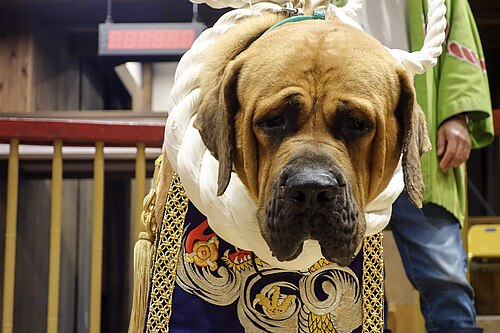
The Tosa is a remarkably calm, patient and dignified dog that seems composed and controlled in everyday life and is gentle and deeply bonded to its family. Behind this calm, however, lies a courageous, determined molosser with a pronounced protective instinct and, because of its history as a fighting dog, a possible intolerance towards other dogs. It meets strangers with reserve and attention, without being nervous. Its quiet, controlled nature must not obscure its enormous power potential - it needs a confident, calm handler and consistent, non-violent leadership from the very beginning.
📜 Origin & history
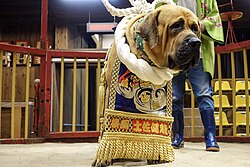
The Tosa emerged in the 19th century in the Japanese province of Tosa on the island of Shikoku, where the native Shikoku dog was deliberately crossed with imported Western breeds such as the Great Dane, Bulldog, Mastiff, Bull Terrier and St. Bernard. The aim was a large, powerful and at the same time controlled dog for the ritualised dog wrestling that is regarded as an honourable tradition in Japan. Unlike Western fights, these contests placed value on quiet, dignified behaviour. Today the Tosa is still widespread in Japan as a watch and companion dog, while in many countries it is subject to strict keeping restrictions because of its origin.
✂️ Grooming, care & training
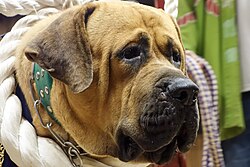
The Tosa's short, dense coat is extremely easy to care for and needs only occasional brushing. More important to it than peak physical performance are calm, extended walks, meaningful occupation and above all clear, confident leadership - this dog needs no constant sport, but mental stimulation and a reliable structure. Absolutely central are an early, comprehensive socialisation, consistent impulse-control training and safe handling of other dogs, ideally under expert guidance. Only those willing to work continuously and with a calm hand on obedience and compatibility will do justice to this powerful molosser.
🩺 Health
As a large giant breed, the Tosa has a life expectancy of about 10 to 12 years and is prone to the typical problems of large, heavy dogs. These include above all hip dysplasia, the life-threatening gastric torsion and heart disease. Responsible breeders x-ray the hips, have the heart examined and select strictly for health and a stable, controlled temperament. A moderate upbringing, a healthy weight and avoiding large meals around exertion are important precautions; owners should know the signs of gastric torsion in order to act immediately in an emergency.
🏡 Who is this breed right for?
The Tosa is exclusively for very experienced, confident dog owners who can safely lead a powerful molosser and invest a lot of time in socialisation, training and impulse control. It needs a house with a well-secured property, a close bond and calm, clear leadership - for beginners, insecure people or an apartment it is completely unsuitable. Particularly important: in Switzerland the Tosa is subject to a permit requirement or banned in several cantons, and strict regulations also exist in many places internationally. Before any consideration of acquisition, the cantonal regulations must therefore be checked without fail.