Shiba Inu
🧠 Temperament & character
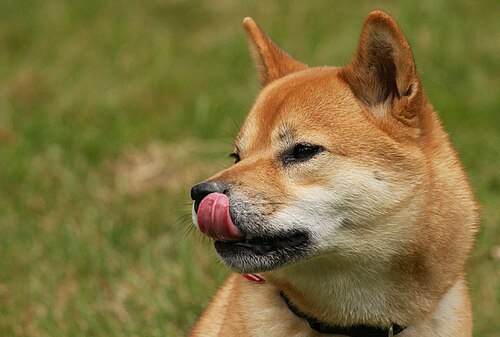
The Shiba Inu is lively, watchful, independent and self-confident, with a pronounced will of his own that makes him seem almost cat-like. He is clean, often very fixated on one or two attachment figures, and shows his affection rather reservedly than exuberantly. Towards strangers he is reserved, and with other dogs he can behave quite dominantly, especially towards those of the same sex, which is why early socialisation is important. He has a hunting drive and a tendency to escape, as well as the famous 'Shiba scream', a piercing sound of protest. Not one simply to take orders, he prefers to consider for himself whether a command is worth his while.
📜 Origin & history
The Shiba Inu is one of the oldest and most primitive dog breeds of Japan and was traditionally used for hunting small game and birds in the mountainous regions. His name is often translated as 'small dog', and over the centuries separate types developed in different parts of the country. After the Second World War the breed came close to extinction due to bombing raids and a distemper epidemic and was laboriously rebuilt from a few surviving lines. Today the Shiba is the most popular companion dog of Japan and, in Japan, a protected 'natural monument'.
✂️ Grooming, care & training
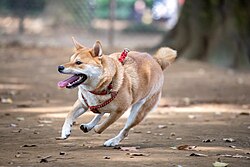
The Shiba Inu's short, dense double coat is basically easy to care for, but twice a year there is a very heavy moult, during which daily brushing is needed to remove the undercoat. Otherwise he is a clean dog that keeps himself almost as clean as a cat. In terms of exercise he needs brisk daily walks and occupation, but is not an extreme endurance athlete. In training, his stubbornness calls for patience, humour and consistency; off-leash running is advisable, because of the hunting drive and the tendency to run off, only with a very good recall or in safe places, and positive, fair methods work considerably better than pressure.
🩺 Health
The Shiba Inu is mostly a healthy, robust dog with a pleasing life expectancy of around 12 to 15 years. Among the breed-typical issues are patellar luxation (dislocation of the kneecap), allergies and skin conditions, as well as occasionally eye conditions such as glaucoma or cataract. Responsible breeders have the knees and eyes examined and pay attention to a balanced, healthy temperament in their breeding animals. With good nutrition, sufficient exercise and normal veterinary care, the Shiba usually stays vital into old age.
🏡 Who is this breed right for?
The Shiba Inu suits people who value an independent, dignified dog and do not expect a clingy cuddler. For absolute beginners he is suitable only with good preparation, because of his stubbornness, his hunting drive and his tendency to run off. In a flat he can live well, as he is clean and relatively quiet, but he needs daily exercise and mental stimulation. In Switzerland he is popular as a beautiful, uncomplicated town and family dog; anyone who keeps him should plan for a secure garden or good leash handling and accept his heavy shedding during the moult.