Parson Russell Terrier
🧠 Temperament & character
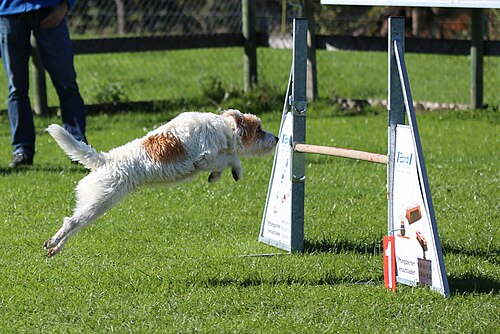
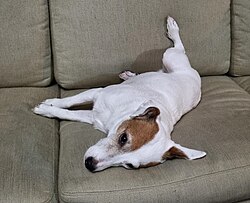
The Parson Russell Terrier is brave, friendly and practically tireless – a bright-eyed daredevil with a high energy level and a pronounced hunting drive. He is intelligent, eager to learn and enjoys working with his people, but for that he needs clear tasks and plenty of activity, otherwise he quickly becomes inventive. Towards strangers he is usually open and cheerful, with his family cuddly and playful. His strong prey drive means that cats and small animals can be a real challenge.
📜 Origin & history
The Parson Russell Terrier goes back to Reverend John 'Jack' Russell, a hunting-mad clergyman from Devon who in the 19th century bred terriers for fox hunting on horseback. His aim was a long-legged, enduring dog that could keep pace with the foxhounds and corner the fox in its den. From his line two types developed: the taller, square Parson Russell Terrier as a separate FCI breed and the shorter-built Jack Russell Terrier.
✂️ Grooming, care & training
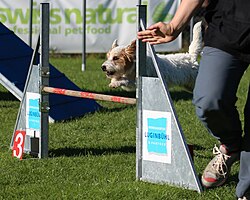
The Parson Russell Terrier comes in smooth-haired and rough-haired varieties; both are easy to care for and need only occasional brushing, the rough coat additionally the occasional trim. Far more demanding is keeping him occupied: this working terrier needs a great deal of exercise every day, plus mental work such as scent games, trick training or dog sports. He learns lightning-fast and loves tasks, but likes to think for himself – consistent, motivating training is a must. Without enough occupation he quickly develops unwanted behaviour.
🩺 Health
The Parson Russell Terrier is a robust, long-lived breed with a life expectancy of around 13 to 15 years. Typical of the breed are some hereditary eye diseases such as lens luxation, as well as patellar luxation, a late-onset ataxia (SCA) and congenital deafness. DNA tests exist for lens luxation, ataxia and other conditions, which responsible breeders use; in addition, eyes and ears are examined. Overall the breed is considered healthy and tough.
🏡 Who is this breed right for?
The Parson Russell Terrier suits sporty, active people and families who bring plenty of time for exercise, training and shared activities. For quiet apartment households or inexperienced first-time owners he is usually too much because of his enormous energy and his hunting drive. He feels most comfortable with access to a garden or nature and a clear task. In Switzerland he is an ideal companion for hikers, runners and dog sports enthusiasts – provided his prey drive is kept in check with a solid recall.