Lhasa Apso
🧠 Temperament & character
The Lhasa Apso is self-assured, watchful and independent - a small dog with the self-image of a guardian. He bonds loyally to his family but remains suspicious towards strangers and reliably gives the alarm. Unlike many lap dogs he is rather independent and does not put up with everything. Those who respect his proud, at times stubborn character and lead him with patience gain a loyal, humorous companion.
📜 Origin & history
The Lhasa Apso comes from the Tibetan highlands and is named after the capital, Lhasa. In Buddhist monasteries and in the palaces of the nobility he served as an attentive indoor guardian who raised the alarm in case of danger, while the larger Tibetan Mastiffs guarded outside. The Tibetans regarded him as a bringer of luck and passed the dogs on only as special gifts of honour, among others to Chinese emperors and foreign dignitaries. Thus the Lhasa Apso finally reached the West in the 20th century.
✂️ Grooming, care & training
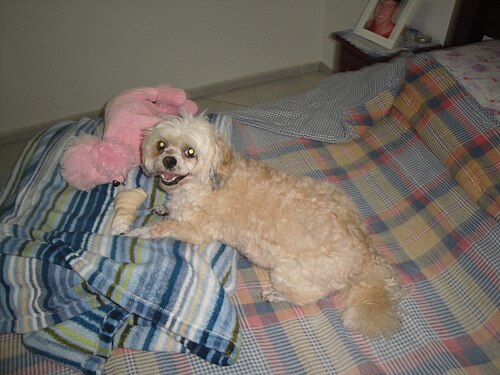
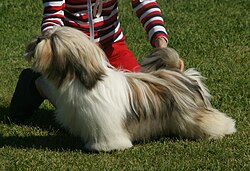
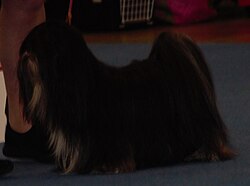
The Lhasa Apso's long, dense topcoat reaches to the floor in full show coat and must then be brushed daily to avoid matting; many owners opt for a practical short clip. His exercise needs are moderate: daily walks and play are enough for the robust little dog. As an independent, clever dog of character he cannot be trained through mere drilling, but only with patience, consistency and motivation. Regular eye and ear care is part of keeping this long-haired breed.
🩺 Health
The Lhasa Apso is mostly a robust, long-lived dog with a life expectancy of about 12 to 15 years. Typical of the breed, hereditary kidney dysplasia, patellar luxation and eye problems such as dry eye (keratoconjunctivitis sicca) and progressive retinal atrophy (PRA) can occur. Reputable breeders have eyes and kneecaps examined and pay attention to healthy kidneys in the breeding line. The densely haired eyes and ears need regular care.
🏡 Who is this breed right for?
The Lhasa Apso suits people who value a small, self-assured companion with a mind of his own and are willing to lead his watchful character with patience. He is well suited to an apartment and to seniors, couples or families with older, respectful children. For first-time owners he is possible, provided they do not underestimate his independence and his guarding instinct. In Switzerland he is a robust, everyday-suitable city dog that needs grooming and a consistent, loving hand.