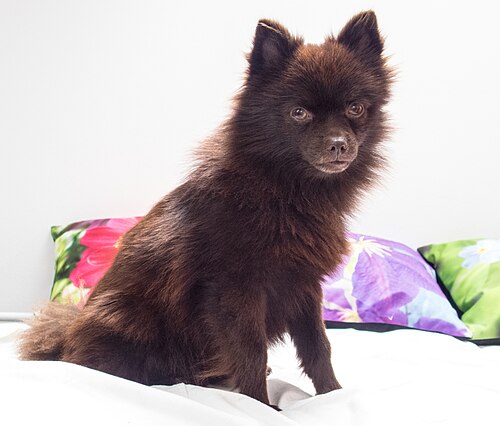
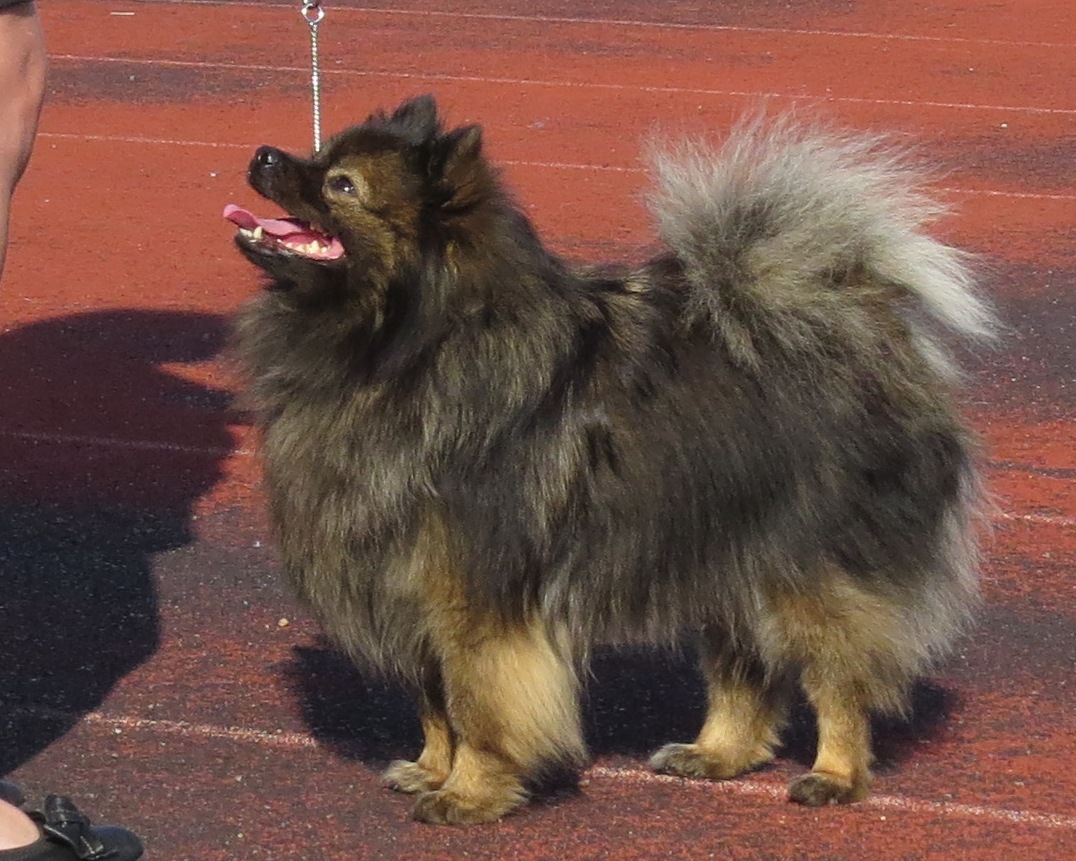
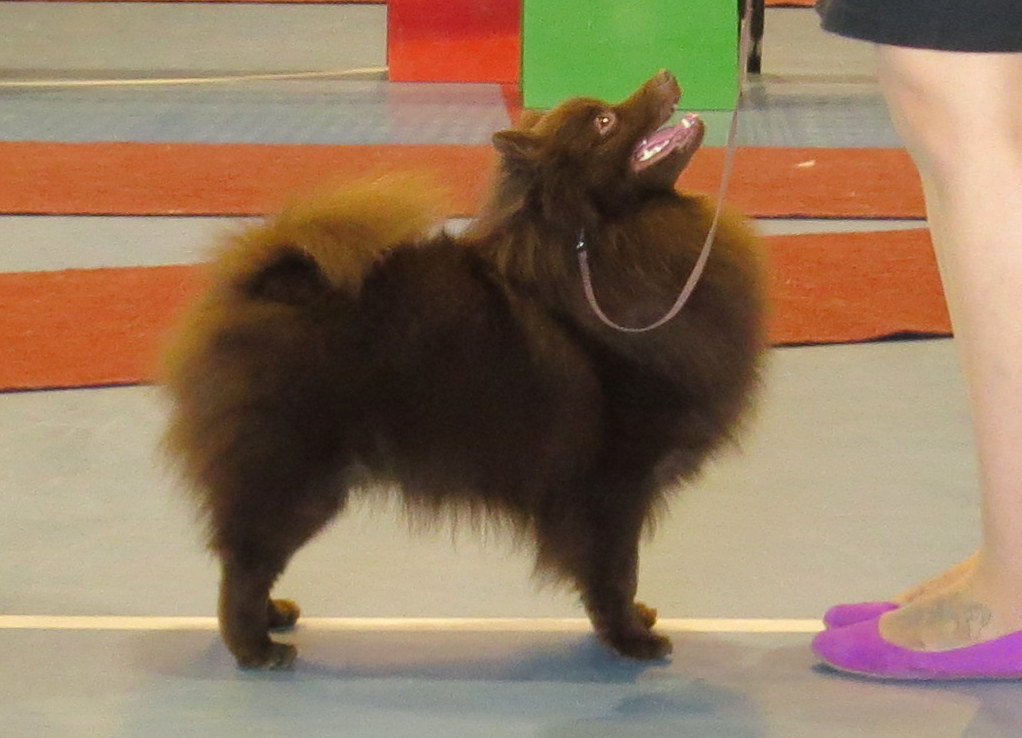
German Spitz (Klein)
🧠 Temperament & character
The German Spitz (Klein) is lively, attentive and decidedly affectionate, while also watchful and reserved towards strangers. He bonds closely with his people and gives reliable warning, which makes him a small, vocal guardian. With children he usually gets along well, provided the interaction is respectful. Without a hunting drive, but with a certain tendency to bark, he is a loyal, adventurous family dog.
📜 Origin & history
The German Spitz (Klein) belongs to the old family of German Spitze, which are among the oldest dog breeds of Central Europe. For centuries the various Spitz sizes lived as watchful house and farm dogs that gave reliable warning without hunting. The Klein German Spitz was especially popular in town houses and cities. He is closely related to the Zwergspitz (Pomeranian), which emerged as a separate variety through further reduction in size.
✂️ Grooming, care & training
The German Spitz (Klein)'s luxuriant, stand-off double coat with its ruff needs regular brushing, but mats less severely than it looks. He must not be clipped, as the coat would lose its protective function. He is fond of movement, but gets along well with moderate walks and play. As a clever, willing-to-learn dog he is suited to tricks and small dog sport; the tendency to bark should be worked on early.
🩺 Health
The German Spitz (Klein) is a robust, long-lived breed and frequently reaches 13 to 16 years. Patellar luxation (dislocation of the kneecap) as well as dental problems can occur, as in many small breeds. Regular dental care and examination of the knee joints by reputable breeders are therefore important. Overall he is considered a healthy dog with few serious hereditary problems.
🏡 Who is this breed right for?
The German Spitz (Klein) is an ideal companion and family dog that, thanks to his size, is excellently suited to a flat and to beginners. He is very people-oriented and does not like to be left alone for long. He fits town and country equally, as long as he gets daily exercise, attention and a little mental occupation. His tendency to bark should be taken into account in close neighbourhoods and trained early.