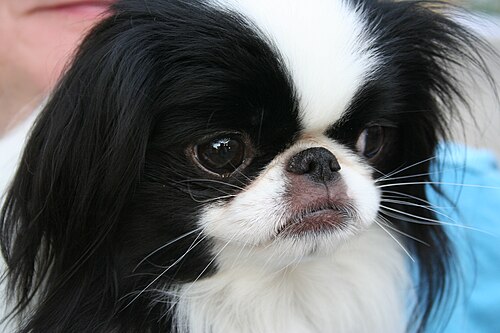
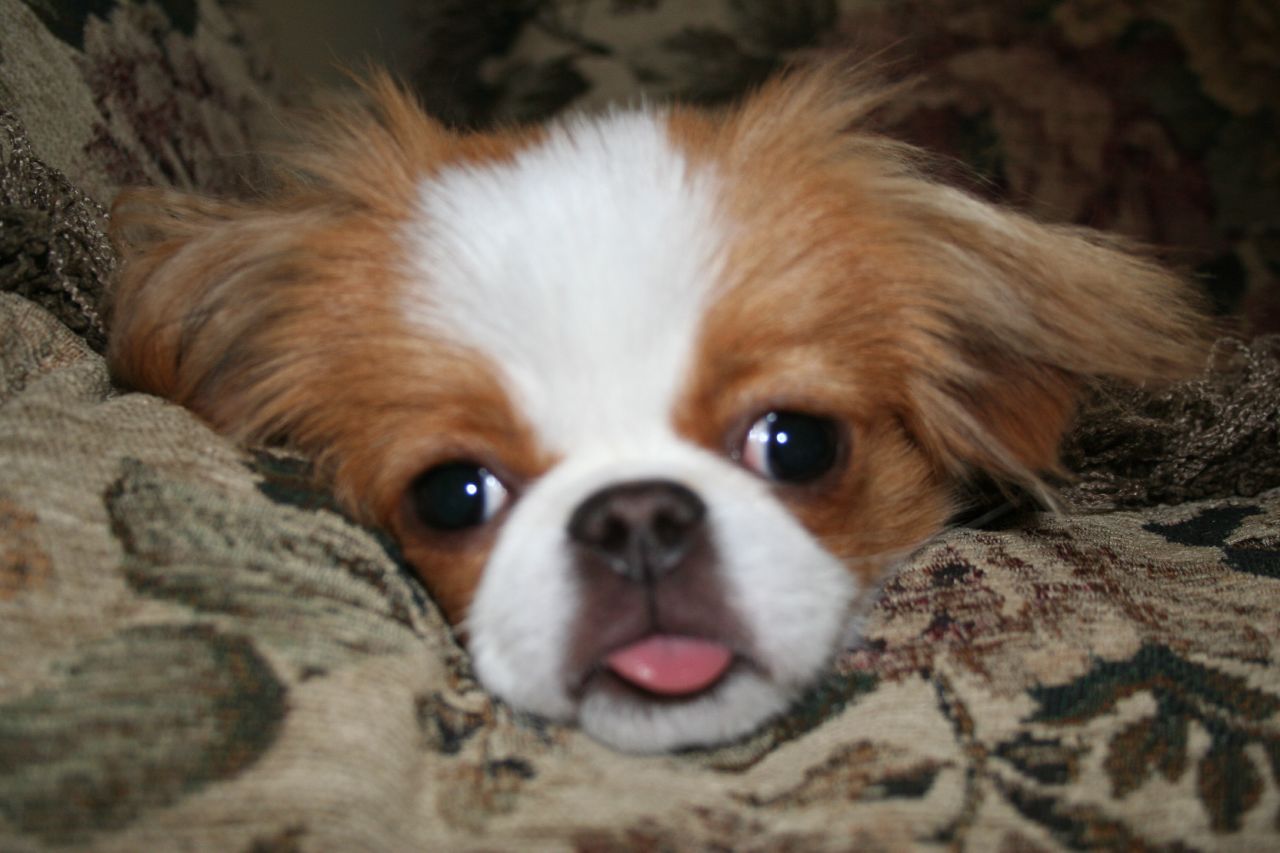
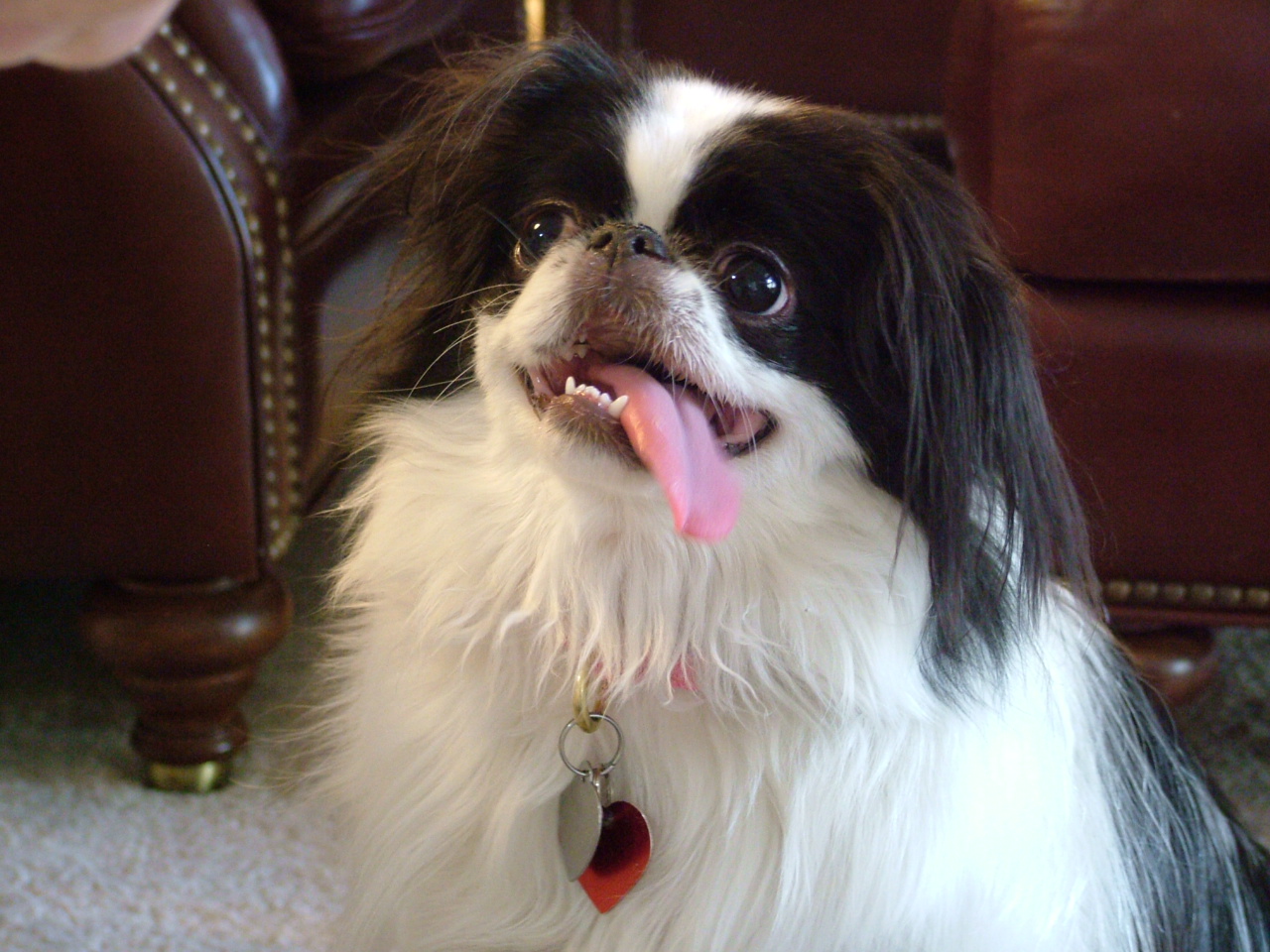
Japanese Chin
🧠 Temperament & character
The Japanese Chin is affectionate, sensitive and dignified - a perceptive dog that bonds closely with his people. His behaviour often seems cat-like: he cleans himself with his paws, likes to climb to elevated places and is choosy about whom he gives his trust. Lively and playful within the familiar circle, he remains rather reserved towards strangers. As a clever, quiet observer he sensitively adapts his behaviour to the mood of his family.
📜 Origin & history
Despite its name, the Japanese Chin probably originally comes from China or Korea, from where small lapdogs came as precious gifts to the Japanese imperial court. There he was kept for centuries as a companion of the nobility and was regarded as so noble that he was withheld from the common people. In the 19th century, after the opening of Japan, the first Chin reached the West, among other things as a gift to European royal houses. To this day he has remained an exclusive, rare companion dog.
✂️ Grooming, care & training
The Japanese Chin's long, silky coat is astonishingly easy to care for: regular brushing keeps it glossy and knot-free, and it mats less than in many another long-haired breed. His need for exercise is low - short walks and play indoors satisfy the calm companion. As a sensitive, clever dog he likes to learn with gentle methods, but responds poorly to pressure. Because of his short nose he should be protected from heat and exertion in summer.
🩺 Health
The Japanese Chin has a life expectancy of about 12 to 14 years. As a short-headed (brachycephalic) breed he is sensitive to heat and can have breathing and eye problems; the large eyes are prone to injury. Furthermore, patellar luxation and heart murmurs occur. Reputable breeders pay attention to breathing that is as free as possible, healthy eyes, examined kneecaps and a stable heart.
🏡 Who is this breed right for?
The Japanese Chin is an ideal companion for quiet households - seniors, couples or people who spend a lot of time at home. He is excellently suited to a flat and also to first-time owners, provided they respect his sensitivity. For families with very small, boisterous children he is less suitable because of his sensitivity and fragility. In Switzerland he is a pleasant, unobtrusive city dog that needs protection from heat in summer.