
Havanese
🧠 Temperament & character
The Havanese is cheerful, sociable and very people-oriented – an outgoing little dog who likes to please and easily makes contact. He is playful, affectionate and gets on well with children, other dogs and pets. Thanks to his intelligence and eagerness to learn he quickly picks up commands and tricks. As an adaptable companion he fits into almost any household, as long as he gets plenty of closeness.
📜 Origin & history
The Havanese descends from Mediterranean Bichon dogs that Spanish settlers and seafarers brought to Cuba. On the island he developed into the pampered lapdog of well-to-do Cuban society and became the darling of the Havana aristocracy. After the Cuban Revolution emigrants brought some dogs to the USA, where enthusiasts preserved the breed from extinction and rebuilt it. Today the Havanese is popular worldwide as the national dog of Cuba.
✂️ Grooming, care & training
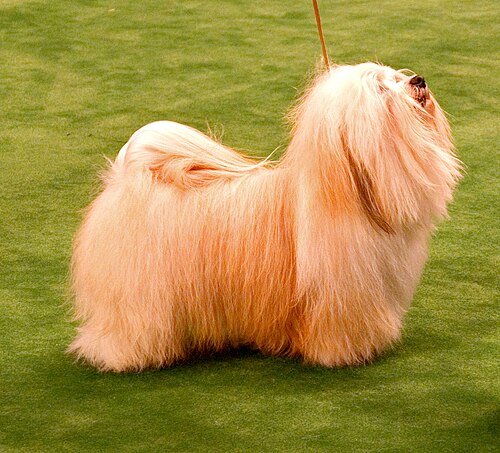
The Havanese's long, silky-soft coat barely sheds, but must be brushed regularly – ideally several times a week – to avoid matting; many owners choose a practical short clip. His need for exercise is moderate: daily walks, play and a little occupation are enough. As a clever, eager-to-learn dog he loves thinking games, tricks and shared activities. Positive, varied training motivates him best.
🩺 Health
The Havanese is usually a healthy, long-lived dog with a life expectancy of about 13 to 15 years. Breed-typical conditions can include patellar luxation, eye diseases such as cataract and progressive retinal atrophy (PRA), and hip problems (Legg-Calvé-Perthes). Reputable breeders have the eyes, kneecaps and hips examined and pay attention to a balanced temperament. Regular ear, eye and dental care prevents everyday problems.
🏡 Who is this breed right for?
The Havanese is an almost ideal family and companion dog that suits families with children, couples, seniors and first-time owners equally. He feels comfortable in an apartment as in a house and is an uncomplicated city dog, as long as he gets plenty of company. As a very people-oriented dog he should not regularly be left alone for long. In Switzerland he is excellently suited as an adaptable everyday companion who makes both cosy and more active households happy.