Greenland Dog
🧠 Temperament & character
The Greenland Dog is full of energy, enduring and extremely independent, with a strong will and pronounced pack behaviour. It bonds with its people, but is not a cuddly lapdog; rather it remains autonomous and self-confident. Its high need for exercise and pronounced hunting drive call for experienced owners. As a typical pack dog it gets on well with its own kind, but needs clear structures in doing so.
📜 Origin & history
The Greenland Dog is one of the oldest dog breeds in the world and has accompanied Arctic peoples for thousands of years. Via the Thule culture it reached Greenland, where it was indispensable as a draught dog in front of the sledge and as a helper in hunting seals and polar bears. To this day it is kept in Greenland as a purebred working dog, while outside the Arctic it is rare.
✂️ Grooming, care & training
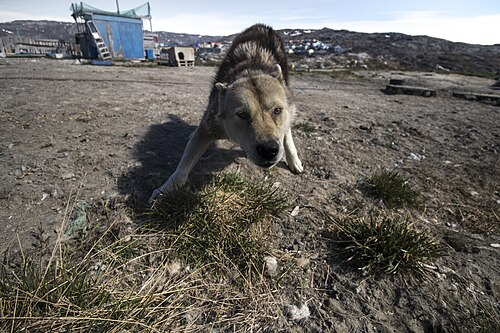
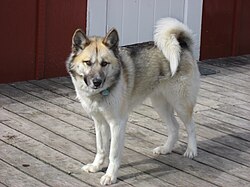
The dense, weatherproof double coat of the Greenland Dog is adapted to extreme cold and demands intensive brushing, especially during the moult. It is an exceptional athlete and needs a great deal of exercise - ideally pulling work, long runs or hiking - to be balanced. Mental stimulation alone is not enough for it; it wants to be physically challenged. Its training requires patience, consistency and an understanding of its independence.
🩺 Health
The Greenland Dog is a robust Arctic breed with a life expectancy of around 12 to 14 years and remarkable resilience. Breed-typically, hip dysplasia can occur, which is why reputable breeders have the parent animals x-rayed. In warm weather, care must be taken to avoid overheating, since its coat is made for the cold. Overall it is considered healthy and little prone to diseases of civilisation.
🏡 Who is this breed right for?
The Greenland Dog is not a typical family dog and unsuitable for beginners or life in an apartment. It suits very active, experienced people who can give it a genuine task - for example in sled-dog sport. It needs space, a cool climate and a lot of time outdoors; cramped city apartments are the opposite of what it needs. In Switzerland it is best suited to owners in snowy mountain regions with a love of endurance sports.