Blue Picardy Spaniel
🧠 Temperament & character
The Blue Picardy Spaniel is gentle, balanced and decidedly work-loving, an easy-going pointing dog with a friendly disposition. He is people-oriented, affectionate and compatible, including with children and other dogs. On the hunt he shows himself passionate and enduring, in everyday life calm and good-natured. His eagerness to learn and his sensitivity make him a pleasant, cooperative partner.
📜 Origin & history
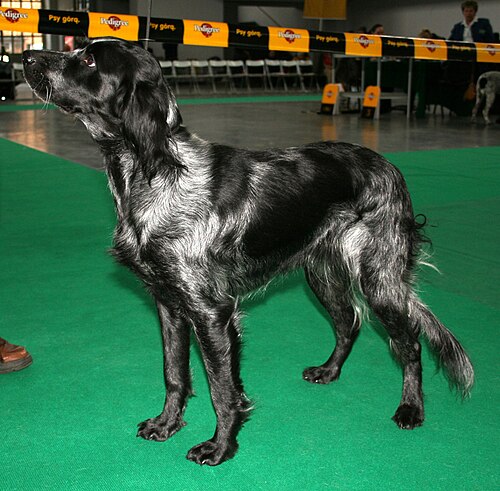
The Blue Picardy Spaniel emerged at the beginning of the 20th century in the French Picardy, where native Picardy spaniels were crossed with English setters that British hunters had brought with them. From this union came the characteristic blue-grey colour variety that gave the breed its name. In 1938 it was recognised as an independent breed. To this day it is widespread above all in France as a valued, versatile hunting dog.
✂️ Grooming, care & training
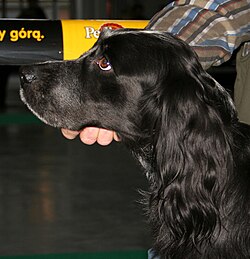
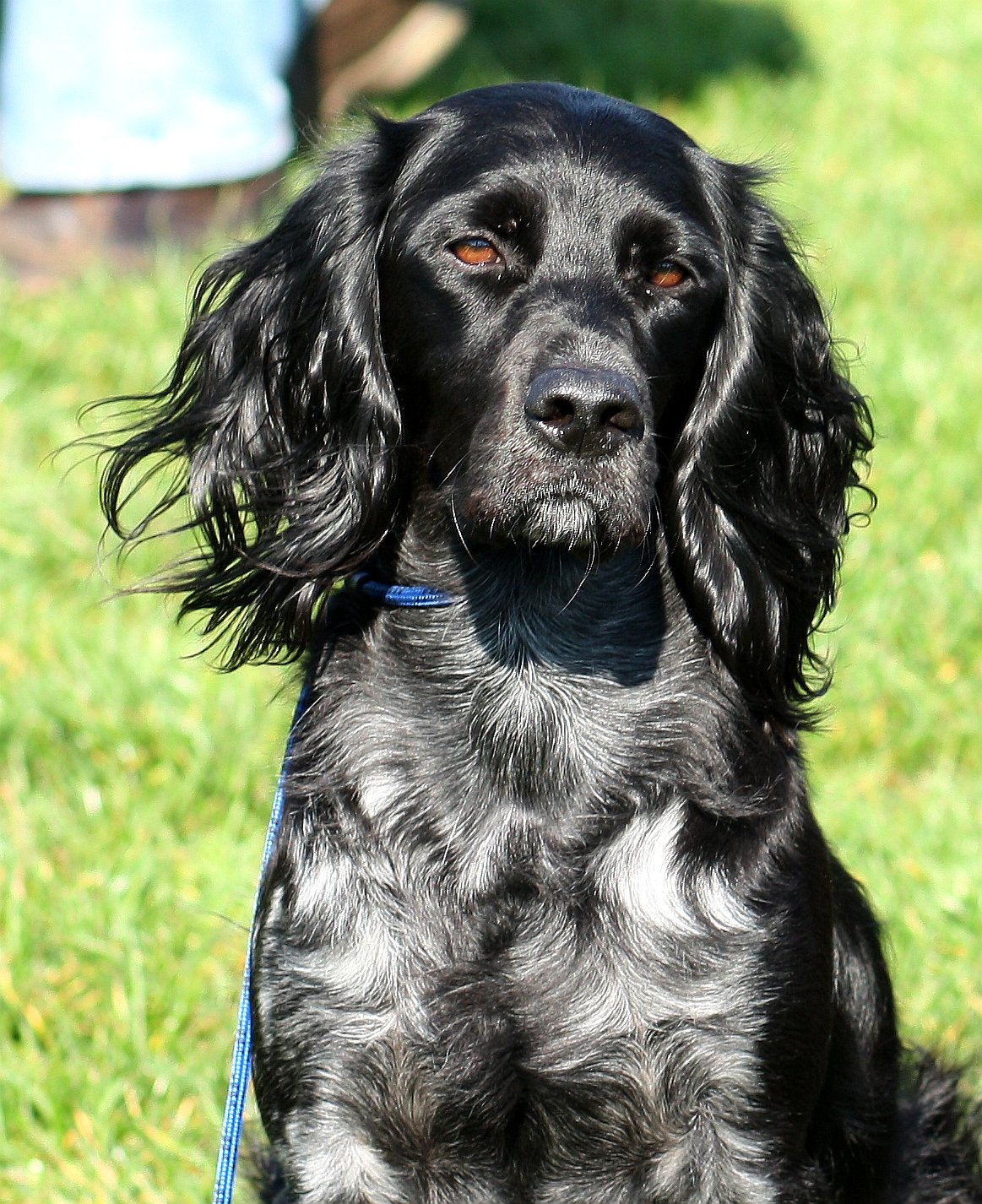
The Blue Picardy Spaniel's medium-length, slightly wavy coat with feathering needs regular brushing to keep it free of matting. As a hunting dog he has a high need for exercise and needs long runs every day, ideally with scent, retrieving and water work. He is eager to learn and easy to handle and responds well to friendly, motivating methods. The drop ears should be checked regularly, especially after trips into the water.
🩺 Health
The Blue Picardy Spaniel is considered a robust, healthy breed with a life expectancy of around twelve to fourteen years. Serious breed-typical hereditary diseases are rare; occasionally, as with many pointing dogs, hip dysplasia can occur. The long ears should be cared for regularly to prevent infections. Responsible breeders X-ray the hips and pay attention to healthy, temperamentally sound parent animals.
🏡 Who is this breed right for?
The Blue Picardy Spaniel suits active families and hunters who value a gentle, versatile and easy-to-handle pointing dog. Thanks to his friendly, balanced nature he is also conceivable for committed first-time owners, provided they offer plenty of exercise. Ideal is a home with plenty of running in nature and the opportunity for water work; for a pure flat life without occupation he is not made. In Switzerland he is rare, but a pleasant companion for nature-loving, active people.