Do-Khyi (Tibetan Mastiff)
🧠 Temperament & character
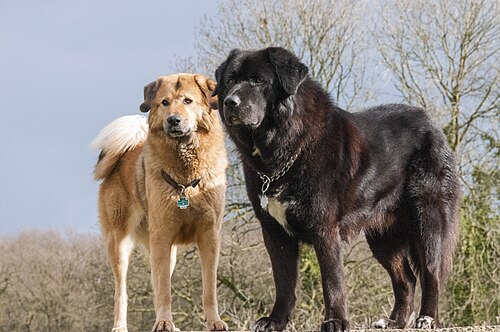
The Do-Khyi is an independent, dignified and headstrong livestock guardian. Towards his family he is deeply loyal and calm, while he meets strangers with watchfulness and reserve. As a traditional night watchman he tends to bark in the dark and defend his territory loudly. He thinks for himself and does not blindly submit - a dog that demands experience, patience and clear boundaries.
📜 Origin & history
The Do-Khyi is one of the oldest dog breeds and for centuries guarded monasteries, villages and nomad flocks in the Tibetan highlands. His name means roughly 'tied dog', since he was often tied up during the day and guarded the property freely at night. From Tibet, individual dogs reached Europe in the 19th century, where they became the foundation of Western breeding.
✂️ Grooming, care & training
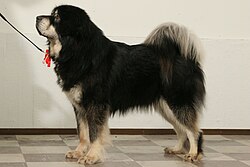
The Do-Khyi's dense, luxuriant coat with its pronounced mane needs regular brushing, especially during the annual moult, which is often heavy. His exercise needs are moderate, but he needs a run in safe terrain, since he tends to roam on his own. Mentally he is best challenged with varied tasks rather than dull repetition, which quickly bores him. In training, respect, calm and consistency are decisive - coercion leads nowhere with this proud breed.
🩺 Health
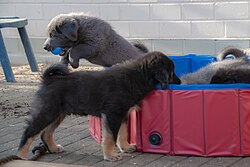
The Do-Khyi is a comparatively robust breed with a life expectancy of around ten to fourteen years. Hereditary problems include hip and elbow dysplasia, hypothyroidism and canine inherited neuropathy (CIDN), a serious nerve disorder of puppies. Responsible breeders x-ray hips and elbows, test the thyroid and use genetic tests for CIDN. As with all large breeds, moderate growth is important for healthy joints.
🏡 Who is this breed right for?
The Do-Khyi belongs in experienced hands and is not a beginner's dog. He needs a house with a well-secured property, since he takes his territory seriously and can bark at night - he is unsuited to cramped living conditions. Families who radiate calm and self-assurance and respect the independence of this breed will find in him an impressive companion. In Switzerland, as a large guard dog he may fall under special keeping regulations depending on the canton; clarifying this early is advisable.