Coton de Tuléar
🧠 Temperament & character
The Coton de Tuléar is cheerful, sociable and playful – a real ray of sunshine who likes to please and is easy to handle. He bonds closely with his family, is compatible with children, dogs and other animals and shows hardly any aggression. Attentive and adaptable, he adjusts his energy level well to his people. Thanks to his cleverness and his will to please, he learns little tricks and commands with enthusiasm.
📜 Origin & history
The Coton de Tuléar descends from small white bichon-type dogs that probably reached the island of Madagascar with seafarers. There he developed into an independent breed around the port city of Tuléar and became the favourite of the Madagascan nobility, who at times kept him from the common people. Only in the 20th century did travellers bring him to Europe and North America. Today he is internationally recognised and popular as the national dog of Madagascar.
✂️ Grooming, care & training
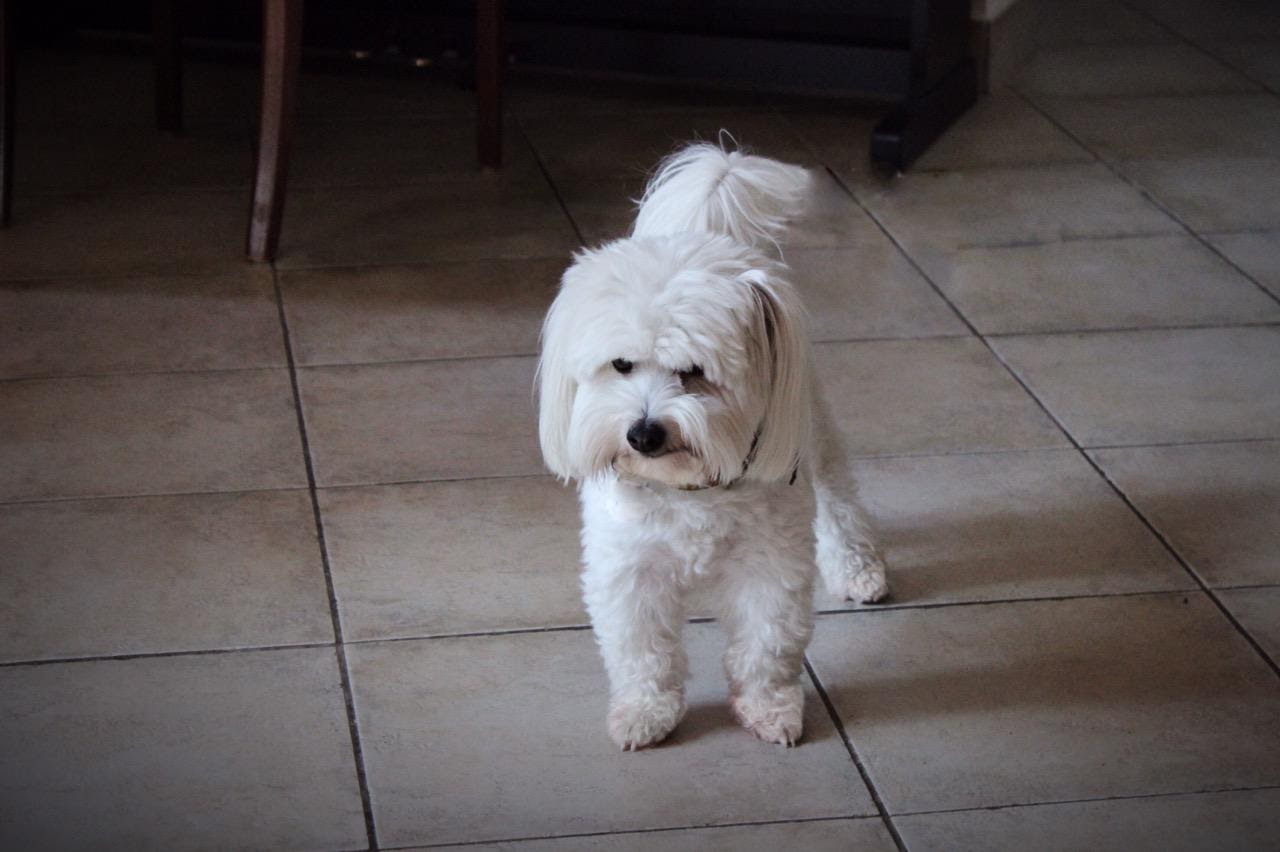
The Coton de Tuléar's long, soft cotton coat barely sheds, but must be brushed regularly – ideally several times a week – to prevent matting. Many owners opt for a shorter grooming cut that makes everyday life easier. The need for exercise is moderate: daily walks and play suffice, but he also gladly comes along on longer outings. As a clever, eager-to-learn dog he loves positive training and shared occupation.
🩺 Health
The Coton de Tuléar is considered a robust, long-lived breed with a life expectancy of about 14 to 16 years. Healthwise he is comparatively unproblematic; patellar luxation, eye problems (PRA, cataract) or hip dysplasia occur rarely. Reputable breeders have the eyes, kneecaps and hips examined and pay attention to a balanced temperament. Regular ear and dental care round off the health precautions.
🏡 Who is this breed right for?
The Coton de Tuléar is an almost ideal family and companion dog that suits families with children, couples, seniors and first-time owners alike. He feels at ease in a flat as well as a house, as long as he gets plenty of company, and is a pleasant, uncomplicated city dog. Because of his attachment he should not regularly be left alone for long. In Switzerland he is outstandingly suited as a versatile everyday companion for active and quieter households alike.