Bichon Frisé
🧠 Temperament & character
The Bichon Frisé is an open, sociable optimist that usually greets people and other dogs joyfully. It is playful, affectionate and very people-oriented, which is why it dislikes being left alone for long. Despite its size it shows a self-assured demeanour and enjoys learning little tricks. As a sensitive dog it responds best to friendly, positive training.
📜 Origin & history
The Bichon Frisé descends from the Barbet and the Mediterranean bichon types and was already a sought-after lap dog at the courts of Spain, Italy and France during the Renaissance. Sailors brought the little white dogs along on their voyages, among other places to the Canary Island of Tenerife – hence the former name 'Bichon Tenerife'. After the decline of the noble courts, the dogs found a livelihood for a time as circus and street dogs. French and Belgian breeders stabilised the breed in the 20th century, and the standard was established in 1933.
✂️ Grooming, care & training
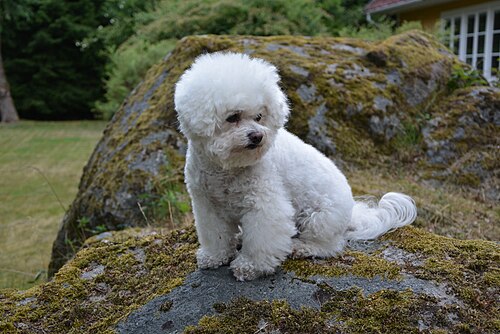
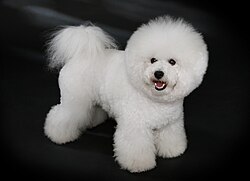
The Bichon Frisé's curly, barely-shedding coat is demanding: it must be brushed several times a week to avoid matting and needs a professional cut into the typical round shape every few weeks. In terms of exercise, daily walks and plenty of play are enough for the lively little dog. It is intelligent and eager to learn, which is why puzzle games and little tricks delight it. Since it is very people-oriented, being left alone should be practised early and gently.
🩺 Health
The Bichon Frisé is usually a long-lived dog with a life expectancy of around 14 to 16 years. Breed-typical conditions that occasionally occur include patellar luxation, dental problems, allergies and skin sensitivities as well as cataract. Reputable breeders have eyes and kneecaps examined and pay attention to healthy, well-socialised parent animals. Regular dental care and careful ear and eye care prevent many everyday problems.
🏡 Who is this breed right for?
The Bichon Frisé is an ideal family and companion dog that feels at home both in an apartment and in a house – the main thing is that it is close to its people. Thanks to its friendly, easily trainable nature it is also well suited to first-time owners and seniors. It usually gets on excellently with children and other pets. Anyone prepared to invest time in coat care and companionship finds in it a cheerful everyday companion that also copes well with Swiss city life.